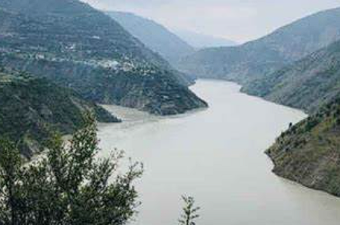
In recent weeks, the water level in the Chenab River at Akhnoor, Jammu, has fallen below waist level for the first time in years. This unusual occurrence surprised...
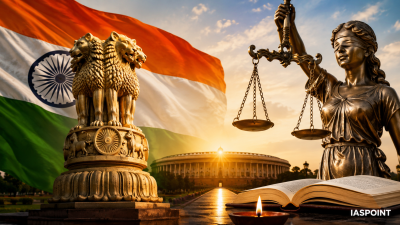
The national motto of India, Satyameva Jayate, translated as "Truth Alone Triumphs," is the bedrock of the Indian national identity. It was adopted as the national motto on...
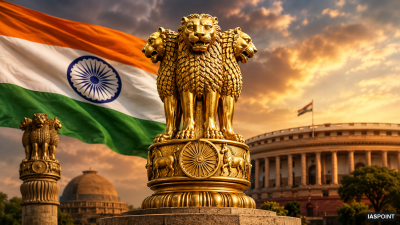
The State Emblem of India is an adaptation of the Sarnath Lion Capital of Ashoka, which dates back to 250 BCE. It was officially adopted by the Government...
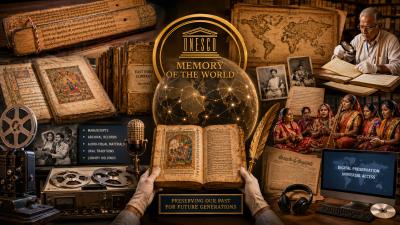
Established by UNESCO in 1992, the Memory of the World (MoW) Programme is dedicated to the preservation of the world's documentary heritage. This includes manuscripts, oral traditions, audio-visual...
The UNESCO Creative Cities Network (UCCN) was established in 2004 with the primary objective of fostering international cooperation among cities that have identified creativity as a strategic driver...
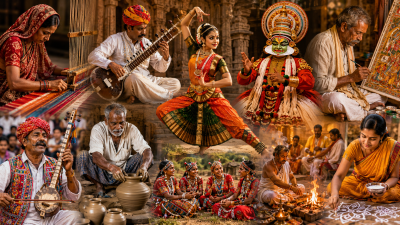
The UNESCO 2003 Convention for the Safeguarding of the Intangible Cultural Heritage defines ICH as the practices, representations, expressions, knowledge, and skills—as well as the instruments, objects, artifacts,...
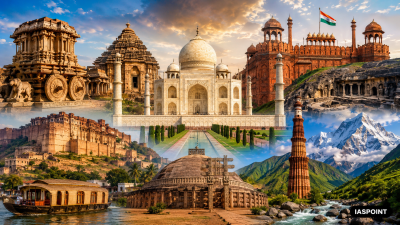
India’s cultural landscape is a repository of millennia-old civilizations, architectural brilliance, and artistic mastery. As of 2026, India hosts 44 UNESCO World Heritage Sites, of which 36 are...
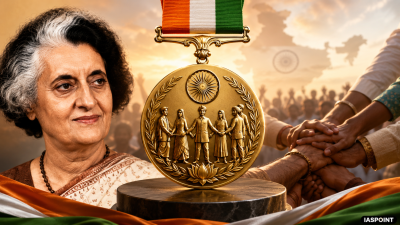
The Indira Gandhi Award for National Integration is a prestigious recognition instituted by the Indian National Congress in 1985 to mark its centenary year. Named after the former...
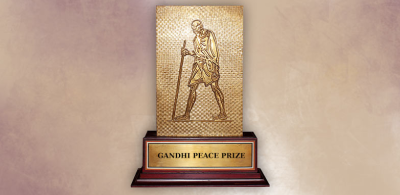
The Gandhi Peace Prize is an international award established by the Government of India in 1995 to commemorate the 125th birth anniversary of Mahatma Gandhi. It is one...
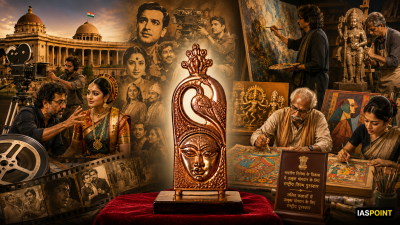
The Indian landscape for awards in Cinema and Visual Arts is a blend of state-sponsored recognition for excellence and the preservation of cultural aesthetics. These awards serve as...