
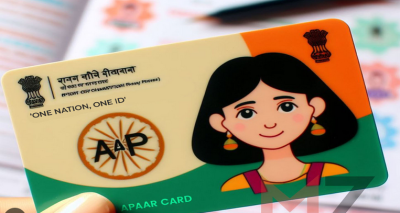
Maharashtra schools are now obligated to obtain parental consent to issue unique student identity numbers as part of the “One National, One Student” initiative, under the Automated Permanent Academic Account Registry (APAAR) ID. These IDs are tailored to each student and are intended to monitor their educational progress and personal information.
Additional Student Details
In addition to the APAAR ID, the Maharashtra government has instructed teachers to update additional student details, including information like blood type, height, and weight, in the Unified District Information System for Education (UDISE) data. However, this additional non-academic responsibility has raised concerns among teachers.
Raising Awareness and Consent
To ensure parents understand the purpose and utility of the APAAR ID, schools have been directed to conduct special Parent-Teacher Association (PTA) meetings from October 16 to 18. Following these meetings, schools are required to mark each student as “consented” or “not consented” in the UDISE database.
The Consent Form
The Maharashtra School Education Department has issued a letter addressed to the Commissioner of Education, along with a consent form and a list of use cases for the new ID provided by the Central Education Ministry. The consent form explicitly states that parents consent to sharing their Aadhaar Number and demographic information with the Ministry of Education for the purpose of creating an APAAR ID.
Multiple Uses of APAAR ID
The APAAR ID is designed to be a lifelong identifier, providing access to various educational resources. It will be used to monitor drop-out rates, digitally store student records, exam results, holistic report cards, health information, and learning outcomes. Additionally, it will be utilized for entrance tests conducted by the National Testing Agency (NTA), admissions, scholarship disbursement, government benefit transfers, and award issuance.
Teacher Concerns
Teachers across the state have expressed concerns about the increased administrative workload associated with data entry. They argue that the requirement to create new ID cards and update physical attributes, alongside previous updates for Aadhaar cards in the UDISE system, places a substantial burden on schools and turns teachers into data entry operators.
Last Modified: February 22, 2024