India's foreign policy is guided by Article 51 of the Constitution. This article encourages the promotion of international peace, just relations, and respect for international law. The directive...
National integration is the process of uniting diverse communities within a country. It encourages unity and belonging among individuals from various backgrounds. The aim is to promote harmony,...
Article 371 of the Constitution of India provides special provisions for certain states. It aims to address the unique needs of specific regions. This article was incorporated through...
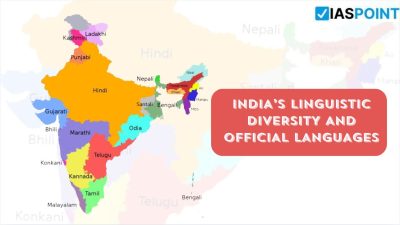
India is known for its rich linguistic diversity. It has no officially designated national language. Instead, the Constitution addresses multiple languages. The Constitution of India includes provisions for...
The recruitment and conditions of service for civil servants in India are primarily governed by the Constitution. Key articles include: Article 309: Empowers the legislature to regulate recruitment...
Cooperatives are member-owned enterprises. They aim to meet the economic, social, and cultural needs of their members. The cooperative movement in India is one of the world's largest,...
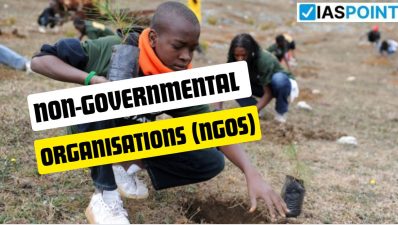
Non-Governmental Organisations (NGOs) are non-profit entities which operate independently of government control. NGOs aim to address social, political, and environmental issues. They can be local, national, or international...
Pressure groups, also known as interest groups, are organised entities aiming to promote and defend shared interests. Unlike political parties, they do not contest elections or seek to...
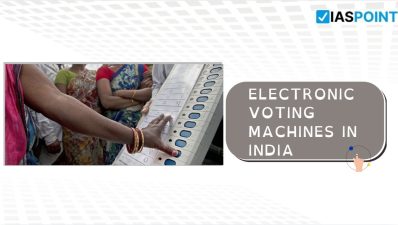
Electronic Voting Machines (EVMs) are devices used to facilitate the voting process in elections. They allow voters to cast their votes electronically, replacing traditional paper ballots. The first...
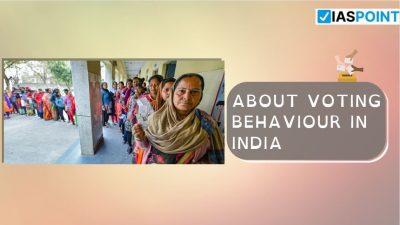
Voting behaviour refers to the patterns and reasons behind how individuals decide to cast their votes in elections. It encompasses both psychological and sociological factors. Political scientists and...