Anti-Defection Law was enacted in 1985 and is encapsulated in the Tenth Schedule of the Constitution of India. This law seeks to prevent elected representatives from switching political...
India is the largest democracy in the world. Elections play important role in its political framework. The integrity of elections is vital for true democracy. Electoral reforms aim...
Election laws in India regulate the electoral process. They ensure free and fair elections. Key laws include the Representation of the People Act, 1950, the Representation of the...
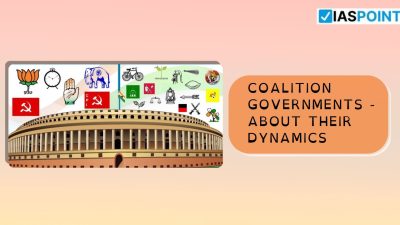
A coalition government is formed when multiple political parties collaborate to govern. This typically occurs when no single party secures a majority in elections. The term "coalition" originates...
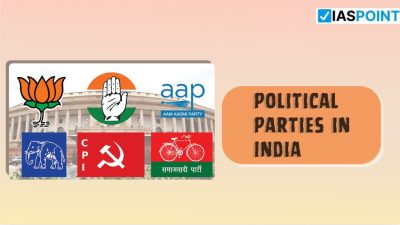
Political parties organise candidates for elections and represent diverse interests. Members typically share similar political ideologies. Political parties in India can be classified into national and state parties....
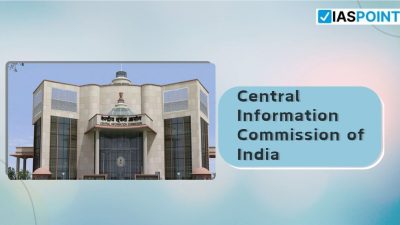
The Central Information Commission (CIC) is a statutory authority in India. It was established to ensure transparency and accountability in public authorities. The CIC operates under the Right...
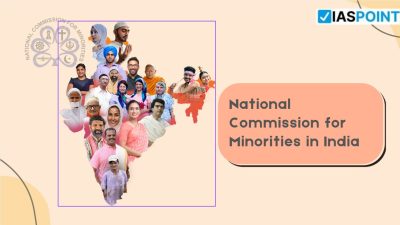
The National Commission for Minorities (NCM) is an autonomous statutory body established in 1992 under the National Commission for Minorities Act. The NCM aims to safeguard the rights...
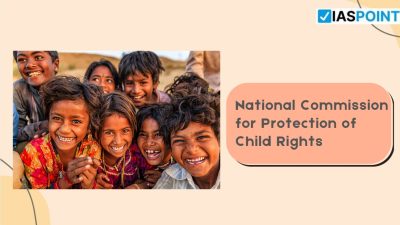
National Commission for Protection of Child Rights (NCPCR) is a statutory body, established under the Commissions for Protection of Child Rights Act, 2005. The NCPCR aims to protect...
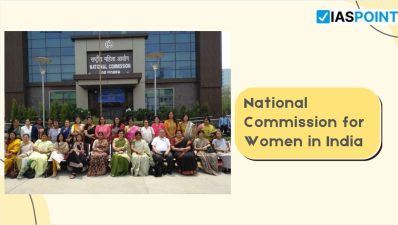
National Commission for Women (NCW) is a statutory body in India established in 1992. It aims to protect and promote women's rights. The NCW was created under the...
The State Human Rights Commission (SHRC) is a statutory body in India, established under the Protection of Human Rights Act, 1993. It aims to promote and protect human...