The National Human Rights Commission (NHRC) is an independent statutory body in India. It was established to protect and promote human rights. These rights include life, liberty, equality,...
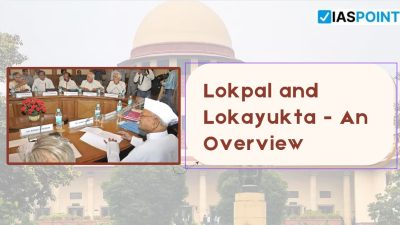
Lokpal and Lokayukta are anti-corruption institutions, which function as ombudsmen to investigate allegations of corruption against public officials. The Lokpal operates at the national level, while Lokayukta functions...
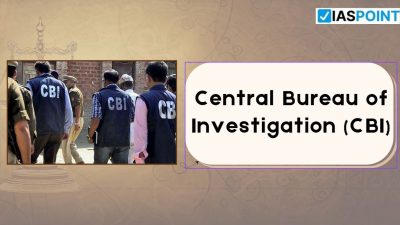
The Central Bureau of Investigation (CBI) is India's premier investigative agency. It operates under the Ministry of Personnel, Pension, and Public Grievances. Established in 1963, the CBI investigates...
Central Vigilance Commission (CVC) is India's apex vigilance institution. It aims to combat corruption in government offices. Established in 1964, the CVC monitors vigilance activities under the Central...
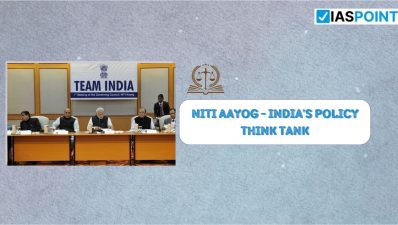
NITI Aayog, or the National Institution for Transforming India, was established on January 1, 2015. It replaced the Planning Commission and serves as the policy think tank of...
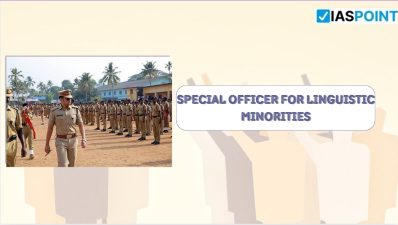
A linguistic minority is a group whose mother tongue differs from the majority in a specific region. These groups often face challenges in preserving their language and culture....
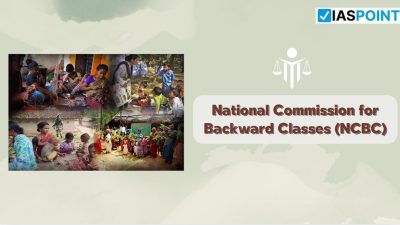
The National Commission for Backward Classes (NCBC) is a constitutional body under Article 338B of the Constitution of India.. It was established on 14th August 1993 and it...
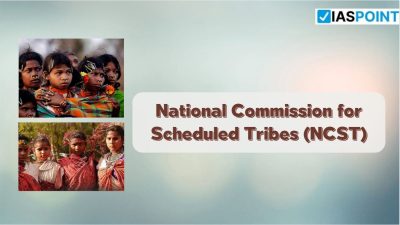
National Commission for Scheduled Tribes (NCST) was established in 2004 by amending Article 338 and inserting Article 338A into the Constitution through the 89th Constitutional Amendment Act, 2003....
National Commission for Scheduled Castes (NCSC) is a constitutional body under the Ministry of Social Justice and Empowerment. Its primary purpose is to protect the rights of Scheduled...
Advocate General of State is the highest law officer in each state of India. This position is established under Article 165 of the Constitution of India. The Advocate...