The President of India, under Article 76, appoints the Attorney General to advise Government of India on legal matters referred by the President; and represent Government in the...
The Comptroller and Auditor General (CAG) of India is an independent authority established under Article 148 of the Constitution of India. This office is mandated to maintain financial...
Goods and Services Tax (GST) was introduced via the 101st Constitution Amendment Act in 2016. GST aims to unify the country's tax structure under the slogan "One Nation,...
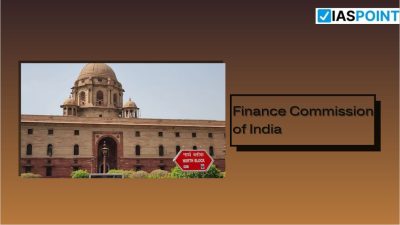
Finance Commission of India is a constitutional body to define financial relations between the Centre and the states. Established under Article 280 of the Constitution of India, it...
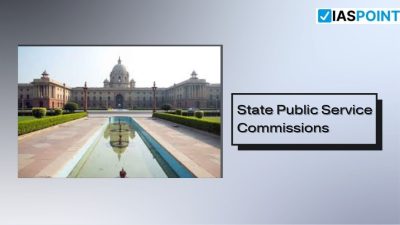
The State Public Service Commission (SPSC) is a constitutional body in India. It operates at the state level to recruit candidates for various civil services. Each state has...
Public Service Commissions (PSCs) are constitutional bodies in India responsible for recruiting candidates for various government services. They ensure a merit-based selection process for civil services at both...
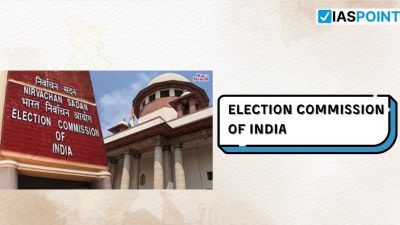
The Election Commission of India (ECI) is an autonomous constitutional authority. It oversees elections in India at both the Union and State levels. Established on 25 January 1950,...
Scheduled Areas are regions in India designated for the administration and welfare of Scheduled Tribes (STs). They cover approximately 11.3% of India's land area. These areas are primarily...
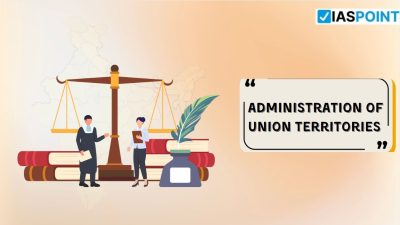
Union Territories (UTs) are regions in India governed directly by the central government. They differ from states, which have their own governments. UTs are established for various reasons,...
Lok Adalats, meaning "People's Courts," are alternative dispute resolution mechanisms in India. They aim to amicably settle disputes at both pre-litigation and pending court stages. Established under the...