For much of modern history, healthcare systems have been designed to respond to illness rather than prevent it. Hospitals, drugs and emergency interventions became the backbone of health...
Technology has transformed how people engage with the world — not just socially or economically, but cognitively. Smartphones, social media and constant connectivity have expanded access to information...
India’s fiscal strategy in 2026-27 reflects a careful balancing act between consolidation and growth. After a relatively sharp correction in the fiscal deficit in 2025-26, the Union Budget...
India’s aspiration to become a developed economy by 2047 has lent fresh urgency to policy choices that prioritise long-term growth, competitiveness and institutional capacity. Tabled on January 29,...
India’s system of fiscal transfers rests on two foundational pillars: the vertical division of resources between the Union and the States, and the horizontal distribution of States’ shares...
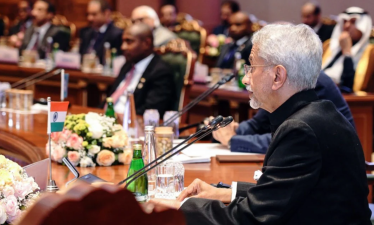
India’s hosting of the second India–Arab Foreign Ministers’ Meeting marks a significant moment in New Delhi’s West Asia diplomacy. Held a decade after the first such meeting in...
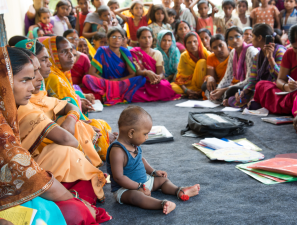
Often working below the radar of headline-driven policy debates, the Deendayal Antyodaya Yojana National Rural Livelihoods Mission has quietly transformed the socio-economic landscape of rural India. By mobilising...
The IIT Council has recommended setting up an expert committee to examine whether the Joint Entrance Examination Advanced can be converted into an adaptive test. The stated aim...
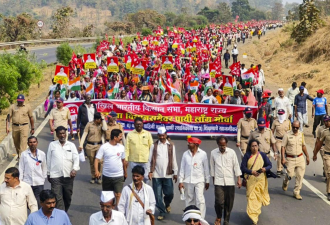
Over the past few days, Maharashtra has witnessed renewed tribal mobilisation, with thousands of Adivasi farmers undertaking long marches from the districts of Palghar and Nashik. Organised by...
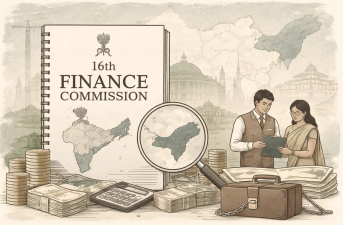
In its long-awaited recommendations for 2026–31, the Sixteenth Finance Commission has chosen continuity over disruption. By retaining the vertical devolution ratio at 41% — the share of States...