
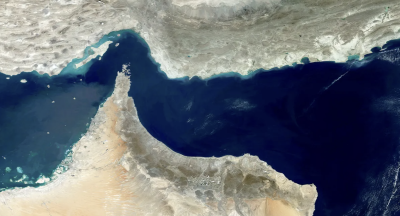
The Strait of Hormuz has become a critical global energy chokepoint due to escalating geopolitical tensions. Located between Oman and Iran, it links the Persian Gulf with the Gulf of Oman and the Arabian Sea. Approximately 21 million barrels of oil per day, about 20% of global petroleum liquids, pass through this narrow maritime corridor.
Geographical and Strategic Importance
The Strait is 39 kilometres wide at its narrowest point with shipping lanes restricted to 3.2 kilometres each way. It connects major oil producers including Saudi Arabia, Iraq, Kuwait, and the United Arab Emirates to global markets. Its narrow width and heavy traffic make it vulnerable to disruptions.
Energy Transit Statistics
Nearly 30% of the world’s liquefied natural gas (LNG) exports transit the Strait. Daily crude oil shipments through the Strait account for roughly 20% of global oil consumption. The volume of oil passing through the Strait has fluctuated between 17 and 21 million barrels per day in recent years.
Recent Security Developments
Rising tensions between Iran and Western countries have led to increased military presence and incidents such as tanker seizures and drone attacks. The US and allied navies conduct regular patrols to secure free passage. Iran has threatened to close the Strait in response to sanctions and military actions.
Global Economic Implications
Disruptions in the Strait cause immediate spikes in global oil prices. The International Energy Agency and oil-importing countries monitor the Strait closely to prepare for supply shocks. Alternative routes and reserves are considered to mitigate risks from potential closures.
What to Study for UPSC Exams?
- Maritime chokepoints and security
- Global oil supply chains
- Geopolitics of the Persian Gulf
- International energy trade routes
Maritime chokepoints and security
Maritime chokepoints are narrow passages critical for global trade, like the Strait of Malacca and Bab el-Mandeb. Over 50% of global maritime trade passes through such chokepoints. Security threats include piracy, territorial disputes, and military blockades, affecting global supply chains and naval strategies.
Global oil supply chains
Global oil supply chains involve extraction, transport, refining, and distribution across continents. Around 80% of oil is transported by sea, making tanker routes vital. Supply chains are vulnerable to geopolitical conflicts, natural disasters, and infrastructure failures, impacting oil prices and availability.
Geopolitics of the Persian Gulf
The Persian Gulf holds about 48% of the world’s proven oil reserves. Regional power struggles involve Iran, Saudi Arabia, and Gulf Cooperation Council states. Control over the Strait of Hormuz influences global energy security and international diplomatic alignments.
International energy trade routes
Key energy trade routes include the Strait of Hormuz, Suez Canal, and Panama Canal. These routes facilitate over 60% of global oil and LNG exports. Disruptions in these corridors can cause rapid shifts in global energy markets and trigger strategic military deployments.
Last Modified: April 16, 2026