
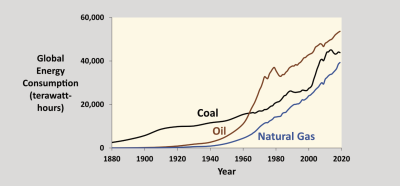
Global fossil fuel consumption experienced significant fluctuations during recent geopolitical crises, notably in 2022 and 2023. Major economies adjusted their energy usage in response to supply disruptions and price volatility. Data from international energy agencies showed a 2.5% decline in coal use and a 1.8% rise in natural gas consumption worldwide in 2023.
Coal Consumption Decline
Coal demand decreased primarily in Europe and North America due to policy shifts and supply constraints. China maintained stable coal usage but implemented stricter environmental regulations. India’s coal consumption increased by 3%, driven by industrial growth. Global coal production fell by 1.2% in 2023 compared to 2022.
Natural Gas Demand Increase
Natural gas consumption rose in Asia and parts of Europe amid reduced Russian pipeline supplies. Liquefied natural gas (LNG) imports surged by 15% globally, with the United States and Qatar leading exports. European countries increased LNG imports by 25% to compensate for pipeline shortages. Gas prices averaged 35/MMBtu in 2023, up from23/MMBtu in 2021.
Oil Consumption Patterns
Oil demand rebounded post-pandemic, reaching 101 million barrels per day in 2023. The Organisation of the Petroleum Exporting Countries (OPEC) adjusted output to stabilise prices. The United States and China were the largest consumers, accounting for 40% of global demand. Renewable energy sources gained market share but fossil fuels remained dominant.
Geopolitical Impact on Energy Trade
Sanctions on Russia affected global fossil fuel supply chains, prompting diversification of energy imports. European countries accelerated energy transition plans while securing alternative suppliers. Energy prices exhibited volatility, with crude oil prices ranging between $70 and $120 per barrel during crises. Investment in fossil fuel infrastructure slowed in developed economies.
What to Study for UPSC Exams?
- Energy Security and Geopolitics
- Global Energy Market Dynamics
- Fossil Fuels and Climate Policy
- International Energy Trade Mechanisms
Energy Security and Geopolitics
Energy security involves ensuring reliable access to energy resources amid geopolitical tensions. The 1973 oil embargo highlighted how geopolitics can disrupt supply chains. Countries often use energy exports as political leverage, influencing global alliances and conflicts.
Global Energy Market Dynamics
Global energy markets are shaped by supply-demand imbalances, technological advances, and policy changes. Price volatility is common due to geopolitical events and natural disasters. LNG trade has expanded rapidly, transforming traditional pipeline-dominated gas markets.
Fossil Fuels and Climate Policy
Fossil fuels account for over 80% of global energy consumption but are the largest source of CO2 emissions. Climate policies like carbon pricing and emissions trading aim to reduce fossil fuel dependence. Some nations subsidize fossil fuels, complicating climate mitigation efforts.
International Energy Trade Mechanisms
International energy trade relies on complex contracts, including long-term supply agreements and spot trading. Transit countries and chokepoints like the Strait of Hormuz critically affect energy flow. Financial instruments such as futures and options manage price risks in energy markets.
Last Modified: April 15, 2026