
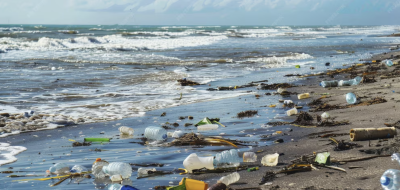
Coastal ecosystems worldwide face significant degradation due to human activities and climate change. Key affected regions include mangroves, coral reefs, and estuaries, which show declining biodiversity and productivity. Sustainability efforts focus on restoration, pollution control, and regulatory frameworks.
Causes of Coastal Ecosystem Degradation
Major causes include industrial pollution, overfishing, coastal urbanisation, and unsustainable tourism. Climate change impacts such as sea-level rise, ocean acidification, and increased storm frequency exacerbate ecosystem stress. Mangrove deforestation and coral bleaching have accelerated in the last decade.
Impacts on Biodiversity and Livelihoods
Degradation has led to loss of habitat for marine species, reduced fish stocks, and decline in coastal vegetation. These changes affect local communities dependent on fisheries and tourism. Coastal erosion and saline intrusion threaten agricultural lands and freshwater availability.
Sustainability and Restoration Initiatives
Restoration projects include mangrove reforestation, coral reef rehabilitation, and wetland conservation. Pollution control measures target industrial effluents and plastic waste management. Marine protected areas (MPAs) have been established in several countries to regulate fishing and conserve habitats.
Policy and International Cooperation
International frameworks like the Ramsar Convention and UN Sustainable Development Goal 14 guide coastal conservation. National policies integrate ecosystem-based management and climate adaptation strategies. Cross-border collaboration addresses transboundary pollution and migratory species protection.
What to Study for UPSC Exams?
- Marine Pollution Control
- Coastal Zone Management
- Climate Change Impact on Oceans
- International Environmental Agreements
Marine Pollution Control
Marine pollution includes oil spills, plastic debris, and chemical contaminants affecting oceans globally. Microplastics have been found in deep-sea sediments and Arctic ice. Bioremediation using bacteria and fungi is an emerging method to degrade pollutants naturally.
Coastal Zone Management
Coastal Zone Management integrates land and water use planning to balance development and conservation. Techniques include setback lines, buffer zones, and living shorelines using natural materials to reduce erosion. It often involves stakeholder participation across multiple governance levels.
Climate Change Impact on Oceans
Ocean warming causes coral bleaching and shifts in marine species distribution. Increased CO2 absorption leads to ocean acidification, weakening shell-forming organisms. Sea-level rise threatens low-lying coastal habitats and increases saltwater intrusion into freshwater systems.
International Environmental Agreements
Key agreements include the Paris Agreement, Convention on Biological Diversity, and MARPOL for marine pollution. The London Protocol prohibits ocean dumping of wastes. Compliance mechanisms vary, often relying on national implementation and reporting.
Last Modified: April 15, 2026