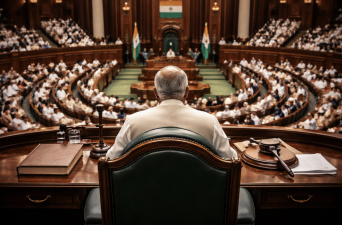
The Constitution is the supreme law of a nation. It outlines the framework of government. It defines the rights of citizens. In India, the Constitution was adopted in 1950. It is a comprehensive document. It includes fundamental rights and duties. The Constitution also establishes the separation of powers. It plays a crucial role in upholding democracy and justice.
The Supreme Court of India recently directed the government to create a no-fault compensation scheme for serious adverse effects or deaths following Covid-19 vaccination. This ruling ensures families...
Recent education reforms in India, especially in Kerala, have emphasised ‘choice’ and ‘flexibility’ in undergraduate studies. These reforms aim to shift from rigid, teacher-centred teaching to learner-centred education....
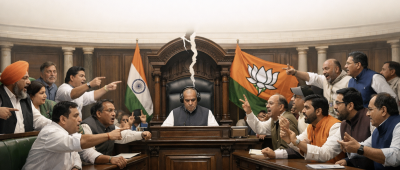
The recent no-confidence motion against Om Birla, the Speaker of the Lok Sabha, has brought renewed attention to the constitutional role and accountability of this key parliamentary office....
Delhi Police launched Operation Kavach as a focused enforcement drive against the drug mafia to strengthen efforts towards a drug-free National Capital. The operation has been conducted in...
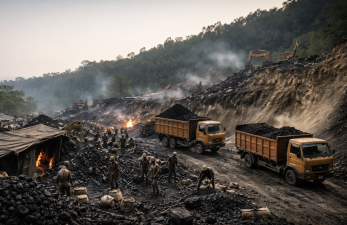
In February 2026, a dynamite explosion in an illegal coal mine in East Jaintia Hills, Meghalaya, killed 34 labourers. This tragic event marks longstanding issues of unregulated coal...
The 16th Finance Commission’s report, presented in 2026, marks critical issues in the functioning and funding of Panchayats and municipalities. It stresses the importance of recognising these bodies...
Recent discussions on synchronising India’s general and state elections have gained momentum. The proposal called ‘One Nation One Election’ (ONOE) aims to hold Lok Sabha and State Assembly...
India is set to have its most gender-representative Parliament in 2029. The Women’s Reservation Act will reserve one-third of Lok Sabha seats for women. This is the largest...
Recent discussions on judicial independence show its deeper meaning beyond protection from political influence. Supreme Court judge B.V. Nagarathna emphasised that judicial independence also means each judge can...
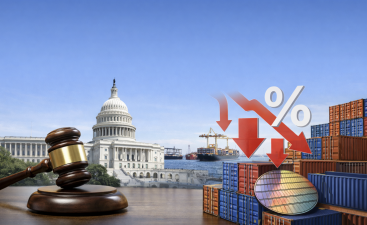
In 2026, the US Supreme Court ruled against former President Donald Trump’s 2025 tariffs on imports. The Court declared that the President cannot impose tariffs without Congress’s approval....