A Free Trade Agreement (FTA) is a treaty between two or more countries. It aims to reduce or eliminate trade barriers. These barriers include tariffs and import quotas. FTAs promote economic cooperation and increase trade flows. They can enhance consumer choice and lower prices. However, they may also impact local industries. Understanding FTAs is essential for grasping global economic dynamics.
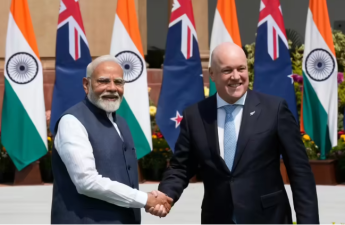
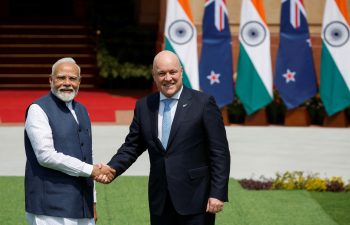
New Zealand and India signed a Free Trade Agreement in New Delhi on 27 April 2026. The agreement includes a Working Holiday Scheme for 1,000 Indians aged 18...
India and New Zealand signed a Free Trade Agreement (FTA) on 27 April 2026 in New Delhi. The agreement was signed by India’s Commerce Minister Piyush Goyal and...
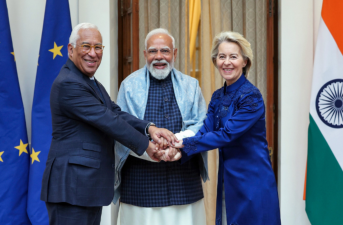
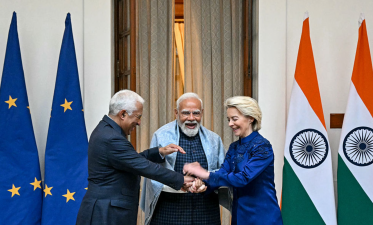
The free trade agreement between India and the European Union marks a turning point in India’s contemporary trade diplomacy. Its significance lies not merely in the economic weight...
India and the European Union have formally concluded negotiations on their long-pending Free Trade Agreement at the India–EU summit, marking a decisive shift in global trade alignments. Announced...
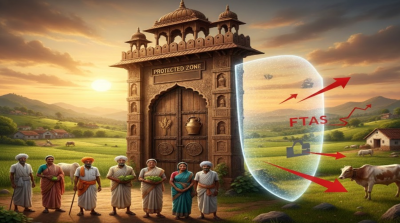
Agriculture has emerged as the most stubborn fault line in India’s ongoing free trade negotiations, particularly with the United States and the European Union. Even as India and...
After nearly 25 years of negotiations, the European Union and Mercosur are poised to sign one of the world’s most ambitious free trade agreements, with the formal ceremony...
At a time of trade fragmentation and supply-chain risk, the India–New Zealand Free Trade Agreement shows India’s preference for selective liberalisation. The pact, signed by Narendra Modi and...
India’s decision to conclude negotiations for a free trade agreement with New Zealand signals a clear shift in how New Delhi approaches global trade. Moving away from large,...
India appears set to conclude a Free Trade Agreement (FTA) with New Zealand, while negotiations continue with Oman, Chile, Israel, Canada, the EU, the UK and others. The...