Social development refers to the improvement of societal well-being. It encompasses education, health, and equality. Social development aims to reduce poverty and enhance quality of life. It fosters community participation and empowerment. In India, social development is crucial for addressing disparities. It influences policies and programmes. Sustainable growth relies on social progress. Strong social structures promote a cohesive society.
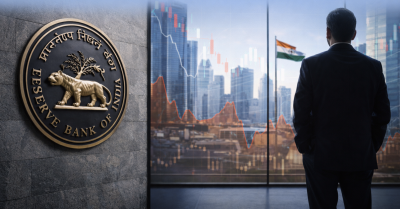
The Reserve Bank of India (RBI) is set to announce its monetary policy on April 8, 2026. Since the last review in February, the economic scenario has changed...
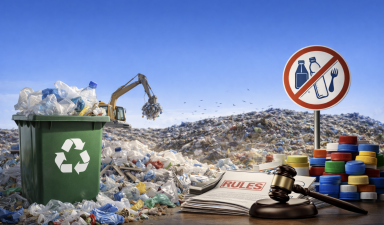
India’s Plastic Waste Management Rules were updated in 2026 to strengthen recycling and reuse mandates. The rules aim to reduce plastic pollution by making producers responsible for the...
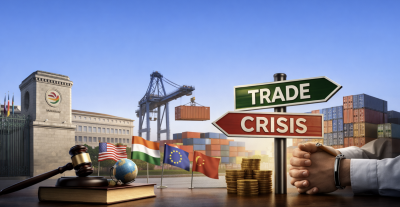
The World Trade Organization (WTO) faced a critical challenge at its 14th Ministerial Conference (MC14) held recently in Yaoundé, Cameroon. The event exposed deep divisions among its 166...
The ongoing war in the Middle East has triggered the most severe global energy security threat in history. This conflict has drastically reduced oil and gas supplies, causing...
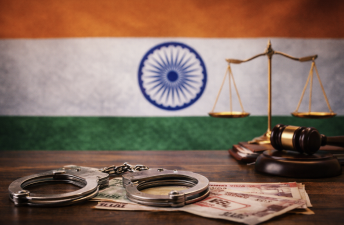
The Jan Vishwas initiative aims to reduce unnecessary criminal penalties in Indian laws. It promotes replacing punitive jail terms with data-driven governance. Since 2024, over 12,500 criminal compliance...
Recent developments show India’s strategic push to scale up bioenergy sectors such as Ethanol, Compressed Biogas (CBG), and Biomass. This move aims to reduce dependence on fossil fuel...
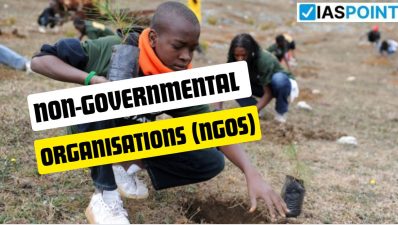
Non-Governmental Organisations (NGOs) are non-profit entities which operate independently of government control. NGOs aim to address social, political, and environmental issues. They can be local, national, or international...