
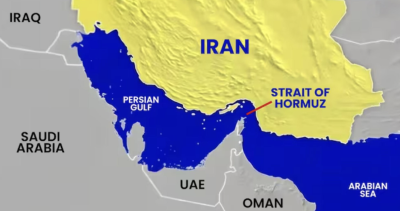
Former US President Donald Trump criticised NATO for its response to tensions in the Strait of Hormuz. He made the remarks during a public address in the United States. The Strait of Hormuz is a strategic maritime chokepoint linking the Persian Gulf to the Gulf of Oman. Recent incidents involved attacks on oil tankers and increased military presence by Iran and Western forces.
NATO’s Role in Strait of Hormuz
NATO has not deployed a formal naval mission in the Strait of Hormuz. Member states have expressed concerns over freedom of navigation in the area. The alliance primarily supports diplomatic efforts and intelligence sharing among members. NATO’s official stance calls for de-escalation and adherence to international maritime law.
Trump’s Criticism Details
Trump accused NATO of failing to protect shipping routes in the Strait of Hormuz. He urged stronger military action against Iran’s naval activities. Trump suggested that the US should act independently or with a coalition outside NATO. His comments came amid rising US-Iran tensions and sanctions.
Strait of Hormuz Strategic Importance
Approximately 20% of the world’s petroleum passes through the Strait of Hormuz. It is about 33 kilometres wide at its narrowest point. Control over the strait affects global oil prices and energy security. Multiple countries, including Iran, Oman, and Gulf states, have vested interests in the region.
Recent Incidents and Military Movements
In recent months, several oil tankers have been attacked or seized near the strait. The US Navy has increased its presence with warships and surveillance aircraft. Iran has conducted naval drills and deployed fast-attack boats. Other regional navies have coordinated patrols to ensure maritime security.
What to Study for UPSC Exams?
- Maritime Security Mechanisms
- International Naval Alliances
- Energy Geopolitics of Gulf Region
- International Maritime Law
Maritime Security Mechanisms
Maritime security mechanisms include naval patrols, surveillance systems, and anti-piracy operations. They protect shipping lanes against threats like piracy, terrorism, and smuggling. Technologies such as Automatic Identification Systems (AIS) and satellite tracking enhance real-time monitoring of vessels globally.
International Naval Alliances
International naval alliances are coalitions formed for collective maritime defense and strategic cooperation. NATO, established in 1949, is the most prominent, involving 31 member countries. These alliances facilitate joint exercises, intelligence sharing, and coordinated responses to maritime threats.
Energy Geopolitics of Gulf Region
The Gulf region holds about 48% of the world’s proven oil reserves. Control over chokepoints like the Strait of Hormuz influences global energy supply and pricing. Regional rivalries and foreign military presence shape energy export routes and security dynamics.
International Maritime Law
International maritime law is governed primarily by the United Nations Convention on the Law of the Sea (UNCLOS). It defines territorial waters, exclusive economic zones (EEZs), and navigation rights. Disputes over maritime boundaries and freedom of navigation are settled under these legal frameworks.
Last Modified: April 18, 2026