
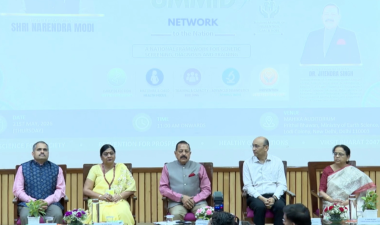
The Department of Biotechnology (DBT), under the Ministry of Science and Technology, has expanded its flagship UMMID (Unique Methods of Management of Inherited Disorders) programme to strengthen the diagnostic grid for rare genetic diseases across India. Launched to counter the high burden of congenital anomalies and inherited disorders, the initiative has established nearly 30 NIDAN (National Inherited Diseases Administration) Kendras across premier government hospitals. To date, the programme has provided genetic testing, prenatal diagnosis, and counseling services to around three lakh individuals. By training specialized clinicians and setting up diagnostic hubs in underserved regions, UMMID integrates genome-based precision medicine into the public healthcare delivery framework.
Objectives and Operational Pillars of UMMID
Core Mandate and Implementation Strategy
The primary goal of the UMMID initiative is to establish an institutional framework for the early identification, management, and prevention of inherited genetic disorders. The program operates through a hub-and-spoke model to ensure that advanced genomic healthcare penetrates beyond metropolitan healthcare facilities into rural and semi-urban medical centers.
Three Operational Pillars
- Establishing NIDAN Kendras: Setting up specialized diagnostic and counseling centers in government hospitals to offer comprehensive genetic services free of cost.
- Human Resource Development: Training existing medical clinicians in biochemical genetics, cytogenetics, molecular genetics, and clinical genomics to create a skilled workforce.
- Screening and Outreach Programs: Implementing mandatory screening programs for pregnant women and newborn infants in aspirational districts to catch disorders before clinical symptoms manifest.
Structural Components: NIDAN Kendras and Diagnostic Network
Functional Architecture of NIDAN Kendras
NIDAN Kendras function as localized clinical hubs equipped with advanced diagnostic tools. These centers perform critical reproductive and pediatric evaluations, which can be categorized into four technical tiers:
| Diagnostic Tier | Target Population | Clinical Purpose |
| Newborn Screening | Infants within 48 to 72 hours of birth | Early detection of metabolic errors like Congenital Hypothyroidism and Phenylketonuria. |
| Prenatal Diagnosis | Pregnant mothers with high-risk histories | Testing fetal tissue via amniocentesis to identify chromosomal structural defects. |
| Carrier Screening | Couples planning a pregnancy | Identifying asymptomatic individuals carrying recessive genes for conditions like Thalassemia. |
| Genetic Counseling | Affected families and high-risk couples | Educating families on recurrence risks, management choices, and reproductive options. |
Training and Skill Development Components
The programme partners with established medical institutes like the Sanjay Gandhi Post Graduate Institute of Medical Sciences (SGPGIMS) in Lucknow and AIIMS in New Delhi. These premium institutes provide six-month fellowship programs to government doctors, transforming general pediatricians and gynecologists into clinical geneticists capable of managing rare diseases at state-level hospitals.
Genetic Burden and Need for Precision Medicine in India
Epidemiology of Genetic Diseases in India
India’s unique socio-demographic structure contributes heavily to a high prevalence of genetic disorders. High birth rates combined with the cultural practice of consanguineous marriages (marrying within close biological relations) expand the expression of rare recessive traits. Around 6% of all children born in India suffer from an inborn error of metabolism, congenital anomaly, or genetic disease.
Shift Toward Precision Medicine
Traditional medical treatments rely on generalized protocols that often fail when applied to genetic conditions. The UMMID scheme promotes precision medicine, a method where clinicians customize medical treatment based on the individual genetic profile of a patient. This approach reduces trial-and-error prescriptions, prevents long-term physical disabilities, and lowers infant mortality rates caused by undetected inherited metabolic blocks.
IASPOINT Booster Facts for UPSC
- Administrative Nodal Agency: The UMMID programme is run entirely by the Department of Biotechnology (DBT), not the Ministry of Health and Family Welfare, though the clinical centers operate inside public hospitals.
- National Policy for Rare Diseases Connection: The data and diagnostic infrastructure generated by NIDAN Kendras directly support the National Policy for Rare Diseases, which groups rare diseases into three distinct categories based on treatment cost and ease of cure.
- Differentiating Screening Types: Newborn screening under UMMID uses a simple heel-prick blood test to identify biochemical markers, whereas prenatal diagnosis relies on molecular genetic sequencing of fetal DNA.
- Aspirational Districts Focus: The outreach arm of UMMID specifically mandates that screening pilots must target NITI Aayog’s designated Aspirational Districts to bridge the rural-urban healthcare divide.
- Inborn Errors of Metabolism (IEM): These are a cluster of rare genetic disorders where the body cannot turn food into energy properly due to a missing or defective enzyme. Examples include Galactosemia, Gaucher disease, and Maple Syrup Urine Disease (MSUD).