
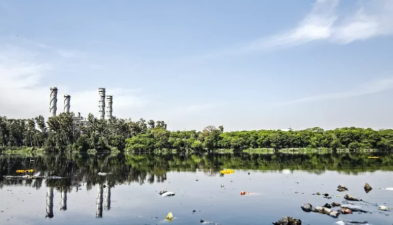
The Water (Prevention and Control of Pollution) Amendment Bill, 2024 was introduced by the Central government in the Rajya Sabha. The bill aims to rationalize criminal provisions under the Water (Prevention and Control of Pollution) Act, 1974.
Key changes proposed
- Removing imprisonment penalties for minor violations lacking intent/impact
- Imposing monetary fines instead proportionate to violation
- Empowering pollution control boards with compounding powers for minor lapses
- Retaining imprisonment punishment for major violations causing tangible damage
The amendments intend to balance water conservation with stakeholder well-being through progressive, differentiated legislation aligned to modern governance standards.
Stringent Provisions of The Water Act
The Water (Prevention and Control of Pollution) Act, enacted in 1974, entailed imprisonment for violations – even minor procedural lapses without negative impact.
For example, failure to inform authorities about new water extraction sources invited imprisonment up to 3 months.
While highlighting water conservation needs, such stringent provisions have unintentionally harassed citizens and businesses over time.
Trust Deficit and Outdated Rules
The amendment bill indicates that outdated rules and excessive strictness cause trust deficit between authorities and citizens.
The stance aligns with the government’s focus to ease processes and regulations to improve ease of living and doing business.
For instance, earlier even minor violations lacking harm resulted in imprisonment – out of sync with the modern governance approach of trusting people.
Key Changes Proposed in the Amendment Bill
The amendment bill proposes specific changes to penalties under water pollution regulations:
- Removes imprisonment for violations lacking negative intent/impact
- Imposes monetary fines instead, ranging from ₹10,000 – ₹15 lakhs based on violation type
- Categorizes violations by level of intent and tangible impact to enable proportional penalties
- Grants pollution control boards powers to collect/compound fines directly instead of mandatory prosecution
- Retains imprisonment only for major violations causing measurable human/environmental harm.
The factual changes aim to rationalize penalties by aligning them with violation severity through a differentiated fine structure while retaining deterrence value against egregious non-compliance. This balanced structure intends to prevent citizen/business harassment for trivial issues while upholding water conservation needs.
Projected Impact
The proposed changes in the Water Act through the amendment bill are expected to deliver the following impact:
- Increased trust and reduced harassment: By removing imprisonment for minor violations without negative impact, lakhs of citizens and small businesses are likely to avoid harassment for procedural lapses. This fulfils the government’s aim to build trust among people.
- Better alignment with ease of doing business: Rationalised punishments will prevent businesses from closure or activity freezes due to minor violations. This upholds the ease of doing business agenda.
- Continued focus on deterring major violations: With stringent penalties intact for intentional or grossly negligent acts causing harm, water conservation efforts will not be diluted.
- Increased compounding of minor violations: Higher compounding powers with state boards will allow increased on-the-spot settlement of procedural violations using fines. This will reduce litigation.
- Increased self-compliance: Lesser harassment for minor violations is likely to spur confidence within the regulated community, driving up voluntary compliance and self-disclosure about issues.
Current Penalty Provisions vs Proposed Amendments
Type of Violation | Current Penalty | Proposed Penalty |
| Failure to intimate authorities about establishing new water extraction source | Imprisonment up to 3 months | Penalty between ₹10,000 – ₹15 lakhs |
| Procedural lapses in maintaining mandatory records or registers | Imprisonment up to 3 months | Lower fine based on nature of lapse |
| Minor exceedance of consented water extraction limit without environmental impact | Imprisonment up to 3 months | Lower fine based on extent of exceedance |
| Gross negligent act leading to human injury or death | Imprisonment up to 7 years | No proposed change |
| Willful act making water source toxic or highly polluting | Imprisonment up to 7 years | No proposed change |
The amendment bill aims to balance water conservation and stakeholder well-being through following changes:
- Removes imprisonment for minor procedural violations lacking negative impact.
- Imposes differentiated monetary fines instead – ranging from ₹10,000 to ₹15 lakhs.
- Grants authorities compounding powers to directly settle minor violations using fines.
- Retains imprisonment only for violations causing measurable environmental/human harm.
- Categorizes violations based on severity to enable proportional penalties.
Through rationalizing penalties and compounding powers, the bill seeks to tangibly:
- Reduce harassment for trivial procedural lapses
- Retain deterrence value against major violations
- Drive up trust, compliance and ease of living/doing business
If implemented effectively, the progressive provisions can serve as a template for modern governance by aligning regulations to ground realities.
Last Modified: February 8, 2024