
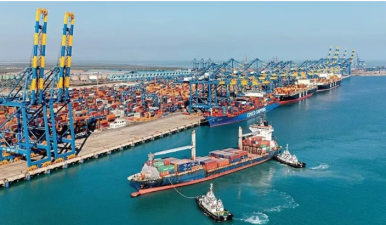
The ongoing conflict in West Asia has disrupted export activity from Bihar, especially for commodities such as makhana, rice and vegetables. Traders have reported a sharp fall in demand and prices, while inland cargo movement has slowed at key logistics points, including the Princeton Magadh Inland Dry Port in Bihta near Patna. The disruption is linked to difficulties in shipping through the Strait of Hormuz, a critical route for trade with Gulf countries.
Impact on Bihar’s Trade
Bihar’s export-linked businesses have been affected by the slowdown in trade with West Asian markets. Commodities that usually move to Saudi Arabia, the United Arab Emirates and Qatar are facing delays and reduced orders. The fall in demand has also weakened market prices for perishable and semi-perishable goods.
Strait of Hormuz and Shipping Disruption
The Strait of Hormuz is one of the world’s most important maritime chokepoints. Any blockade or security risk in this corridor affects oil, gas and cargo movement across the Gulf region. For Bihar, the disruption has made both imports from West Asia and exports to the region more difficult, increasing logistical uncertainty for traders.
Commodities Affected
- Makhana has been among the worst-hit export items.
- Rice shipments to Gulf markets have slowed.
- Vegetable exports have also been affected.
- Traders are facing losses due to lower demand and price pressure.
Economic Concerns for Bihar
The overall loss for Bihar is estimated at around ₹500 crore. The state’s trade dependence on West Asian shipping routes has exposed its vulnerability to geopolitical tensions. The situation has also affected inland dry port operations, denoting the importance of resilient export corridors and diversified markets for agricultural commodities.
Last Modified: April 28, 2026