
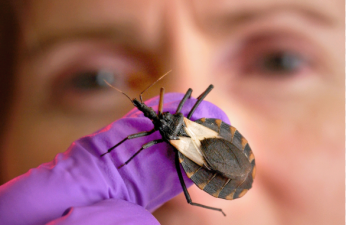
World Chagas Disease Day is observed on 14 April to raise awareness about Chagas disease, a neglected tropical disease that affects around 8 million people globally and causes about 10,000 deaths each year. The 2026 theme, Women at the heart of care, protecting the next generation, marks the role of women in early detection, prevention, treatment, and care, especially in reducing mother-to-child transmission.
What Is Chagas Disease?
Chagas disease, also called American trypanosomiasis, is caused by the parasite Trypanosoma cruzi. It is mainly transmitted by triatomine insects, but infection can also spread through blood transfusion, organ transplant, oral transmission, and from mother to child during pregnancy. The disease is often silent in the early stage, but it can later cause serious heart, digestive, and neurological complications.
Global Spread And Health Impact
Originally endemic in 21 Latin American countries, Chagas disease has now become a global health concern due to migration. Cases have been reported in 44 countries, including the United States, Canada, several European countries, Australia, and Japan. If untreated, about one-third of infected people may develop chronic complications that can become life-threatening.
Women And Congenital Transmission
Women are central to Chagas control because pregnancy offers a key window for screening and treatment. Around 2 million women aged 15-44 years are living with the infection worldwide. Congenital transmission occurs in about 3-5% of pregnancies and can be reduced through early diagnosis, treatment before pregnancy, and screening in maternal and child health services. Newborn screening can help detect infection early, with cure rates above 90% when treated promptly.
Public Health Response And Prevention
PAHO, WHO, and the Global Chagas Coalition have stressed that women should be placed at the centre of diagnosis and care strategies. Key measures include:
- Screening women of reproductive age.
- Treating infected girls and women before pregnancy.
- Expanding maternal and newborn testing.
- Improving access to quality health services.
- Preventing foodborne transmission and raising community awareness.