
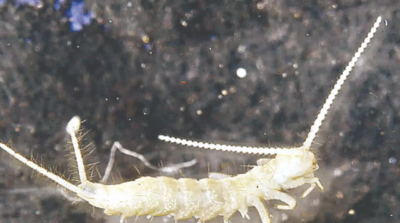
Scientists from the Zoological Survey of India have identified a new species of Diplura from the eastern Himalayas. The wingless, soil-dwelling micro-arthropod has been named Lepidocampa sikkimensis. The discovery is for Indian entomology, as it is the first Diplura species from India to be described by an Indian research team. It also ends nearly five decades of limited progress in Diplura research in the country.
Discovery and Location
The species was identified from specimens collected near Ravangla in Sikkim. Its presence was later confirmed in Kurseong in West Bengal. This suggests that the species may have a wider distribution across the eastern Himalayan region. The findings were published in the taxonomic journal Zootaxa.
Scientific Importance
Diplurans are primitive hexapods and belong to an ancient group of six-legged arthropods. They are blind, soil-dwelling organisms commonly known as two-pronged bristletails. They help maintain soil nutrient cycles and preserve soil structure. The discovery is important for documenting soil biodiversity in a biologically rich but under-studied region.
Features of the New Species
The species was distinguished through:
- Unique arrangement of body scales.
- Specific chaetotaxy, or bristle pattern.
- Specialised appendage structures.
The research team also rediscovered a rare subspecies, Lepidocampa juradii bengalensis, which had not been recorded for nearly 50 years.
Molecular and Taxonomic Value
The study provided DNA barcode data for an Indian Lepidocampa species for the first time. This links traditional morphology-based taxonomy with molecular research. It also adds new data to India’s soil biodiversity records and strengthens the scientific understanding of Himalayan ecosystems.
Last Modified: April 28, 2026