
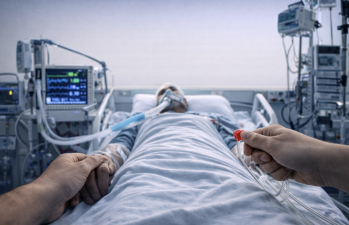
In 2026, the Supreme Court of India allowed the withdrawal of life support from Harish Rana, a patient in a Persistent Vegetative State (PVS) for 13 years. This landmark decision applied the ‘Common Cause guidelines’ on passive euthanasia and clarified the constitutional right to refuse medical treatment under Article 21. The case marks ongoing debates on dignity, autonomy, and medical ethics in end-of-life care.
Legal Background on Right to Die
The right to life under Article 21 of the Constitution of India includes the right to live with dignity. In Gian Kaur vs State of Punjab (1996), the Supreme Court ruled that this right did not extend to the right to die. However, in Aruna Shanbaug vs Union of India (2011), the Court recognised passive euthanasia for terminally ill patients and framed guidelines for withdrawal of life support. The 2018 Common Cause vs Union of India judgment further expanded these rights, linking them to privacy, autonomy, and self-determination. The Court emphasised safeguards to prevent misuse and urged Parliament to legislate on the issue.
Common Cause Guidelines Explained
The Common Cause guidelines rest on two principles – the intervention must be medical treatment and its withdrawal must be in the patient’s best interest. Medical treatment includes Clinically Assisted Nutrition and Hydration (CANH) as it requires medical supervision. The guidelines demand opinions from primary and secondary medical boards before withdrawal. They ensure decisions are ethical, legal, and protect patient dignity. The absence of a specific law means these guidelines currently serve as the main framework.
Case Study – Harish Rana
Harish Rana fell into PVS after a fall in 2013. Despite 13 years of care, no improvement occurred. The Supreme Court had to decide if CANH was medical treatment and if withdrawing it was in his best interest. The Court confirmed CANH as medical treatment needing expert supervision. It ruled that continuing treatment without therapeutic benefit only prolongs biological life without dignity. The Court permitted withdrawal of life support, marking a definitive end to his prolonged suffering.
Implications for Medical Ethics and Law
This case strengthens the constitutional right to refuse treatment and supports passive euthanasia under strict safeguards. It marks the need for legislative clarity on end-of-life care in India. The ruling balances medical ethics, patient autonomy, and dignity while preventing misuse. It also reflects evolving constitutional morality in addressing sensitive human rights issues.
Topics for Prelims:
Right to Life and Article 21
- Article 21 guarantees the right to life and personal liberty.
- Includes right to live with dignity as per Supreme Court rulings.
- Initially excluded the right to die (Gian Kaur, 1996).
- Later expanded to include withdrawal of life support (Common Cause, 2018).
- Intersects with privacy, autonomy, and self-determination.
Passive Euthanasia and Legal Framework
- Passive euthanasia involves withdrawal of medical treatment.
- Recognised by Supreme Court in Aruna Shanbaug case (2011).
- Common Cause guidelines provide procedural safeguards.
- CANH considered medical treatment requiring supervision.
- Legislative vacuum persists; Court urges Parliament to act.
Questions for Mains:
- Discuss the evolution of the right to die under Article 21 of the Constitution of India and its impact on medical ethics. [GS-II-Constitution of India & Polity]
- Critically examine the role of the judiciary in shaping end-of-life care policies in India, with reference to Supreme Court judgments on passive euthanasia. [GS-II-Governance]
- Explain the ethical and legal challenges in withdrawal of life support and how safeguards can prevent misuse, with examples from Indian judicial decisions. [GS-IV-Ethics, Integrity and Aptitude]
- With suitable examples, discuss the interplay between patient autonomy, dignity, and medical intervention in the context of terminal illnesses. [GS-III-Science & Technology]
Topics for Prelims:
Harish Rana
- Fell into Persistent Vegetative State in 2013.
- Stayed on life support for 13 years.
- Case led to Supreme Court allowing withdrawal of life support.
- Relied on Clinically Assisted Nutrition and Hydration (CANH).
- Symbolic in advancing right to die jurisprudence in India.
Common Cause Guidelines
- Issued by Supreme Court in 2018 for passive euthanasia.
- Define medical treatment and best interest criteria.
- Require approval from medical boards before withdrawal.
- Include safeguards against misuse.
- Currently fill legislative vacuum on euthanasia in India.
Persistent Vegetative State (PVS)
- Condition of severe brain damage with no awareness.
- Patients show no response to stimuli.
- Often requires long-term life support.
- Raises ethical issues on continuation of treatment.
- Central to euthanasia and withdrawal of treatment debates.
Answer Hints:
1. Discuss the evolution of the right to die under Article 21 of the Constitution of India and its impact on medical ethics. [GS-II-Constitution of India & Polity]
- Article 21 guarantees right to life and personal liberty, including dignity (Gian Kaur v. State of Punjab, 1996).
- Initially, Supreme Court rejected the right to die as part of Article 21 in Gian Kaur (1996).
- Aruna Shanbaug case (2011) recognised passive euthanasia for terminally ill patients and framed guidelines.
- Common Cause (2018) expanded right to refuse medical treatment as part of autonomy, privacy, and dignity under Article 21.
- Medical ethics shifted towards respecting patient autonomy and balancing life preservation with quality of life.
- Withdrawal of life support permitted under strict safeguards, impacting end-of-life care practices.
2. Critically examine the role of the judiciary in shaping end-of-life care policies in India, with reference to Supreme Court judgments on passive euthanasia. [GS-II-Governance]
- Judiciary filled legislative vacuum by recognising passive euthanasia (Aruna Shanbaug, 2011) and framing interim guidelines.
- Common Cause (2018) judgment provided detailed procedural safeguards for withdrawal of treatment.
- Judiciary balanced ethical concerns, patient rights, and medical realities through evolving jurisprudence.
- Case of Harish Rana (2026) reaffirmed application of Common Cause guidelines and clarified CANH as medical treatment.
- Judiciary urged Parliament for lawmaking but proactively protected patient dignity and autonomy.
- Judicial activism ensured legal clarity in sensitive end-of-life care, influencing medical and ethical standards.
3. Explain the ethical and legal challenges in withdrawal of life support and how safeguards can prevent misuse, with examples from Indian judicial decisions. [GS-IV-Ethics, Integrity and Aptitude]
- Ethical challenges – balancing sanctity of life vs. patient dignity and autonomy in terminal or PVS cases.
- Legal challenges – absence of comprehensive legislation, fear of criminal liability for withdrawal of treatment.
- Safeguards include requirement of multiple medical board opinions (primary and secondary), and consent of next of kin (Common Cause guidelines).
- CANH classified as medical treatment requiring supervision, withdrawal only if no therapeutic benefit remains.
- Examples – Aruna Shanbaug (2011) guidelines, Harish Rana (2026) withdrawal approved under strict safeguards.
- Safeguards prevent misuse, ensure decisions are in patient’s best interest, and uphold ethical standards.
4. With suitable examples, discuss the interplay between patient autonomy, dignity, and medical intervention in the context of terminal illnesses. [GS-III-Science & Technology]
- Patient autonomy includes right to refuse or withdraw medical treatment, linked to self-determination and privacy (Common Cause, 2018).
- Dignity involves quality of life, avoiding prolonged biological existence without therapeutic benefit (Harish Rana case).
- Medical intervention must be evaluated for therapeutic benefit; continuation without benefit may violate dignity.
- CANH as medical treatment requires expert supervision; withdrawal decisions must consider patient’s best interest.
- Examples – Aruna Shanbaug’s prolonged PVS and denied withdrawal; Harish Rana’s approved withdrawal respecting autonomy and dignity.
- Ethical medical practice balances prolonging life and respecting patient’s wishes and dignity in terminal illness care.