
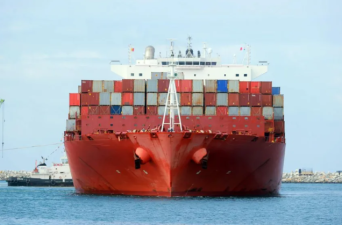
India’s Commerce Department is working with the Shipping Corporation of India and other agencies to operate special vessels to West Asia. The plan is linked to lower freight costs for exporters and to the movement of agricultural and processed food products from India to West Asian markets.
Freight and Cargo Plan
Freight rates to West Asia are currently about 3,000-%%MONEYBLOCK0%% per 20-feet equivalent unit for regular cargo and4,500-$6,000 for refrigerated units. The proposed vessels are intended to reduce freight costs by nearly half for exporters of onions, bananas, other fruits and vegetables, rice, and tea. APEDA is responsible for cargo aggregation, and Concor is assigned container availability and cargo movement to ports.
Route and Port Arrangements
The Strait of Hormuz is a narrow sea passage between the Persian Gulf and the Gulf of Oman. When access through this route is restricted, vessels can use alternative ports and goods can be moved by road to final destinations in West Asia. Nhava Sheva, also known as Jawaharlal Nehru Port Authority, has provided waivers on ground rent and dwell-time charges for containers.
Maritime Insurance and Export Support
On 18 April 2026, the Union Cabinet approved the Bharat Maritime Insurance Pool with a sovereign guarantee of ₹12,980 crore. The pool is designed to provide maritime insurance coverage for Indian trade during periods of higher insurance costs. On 22 April 2026, the government launched the RELIEF scheme under the Export Promotion Mission with an outlay of ₹497 crore.
West Asia Trade Context
In March 2026, India increased the number of smaller vessels, including Non-Vessel Operating Common Carriers, on routes between India and Gulf countries from 15 April. The move followed a reported 300% rise in sea freight rates during the West Asia crisis. The RELIEF scheme was expanded on 20 April 2026 to cover 12 countries, including Egypt and Jordan.
Last Modified: April 23, 2026