
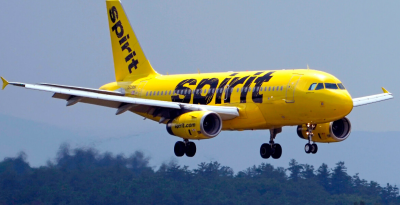
United States ultra-low-cost carrier Spirit Airlines completely ceased all operations on May 2, 2026, after 34 years of service. The airline cancelled all scheduled flights and deactivated customer support systems to begin an orderly corporate wind-down. This total operational shutdown followed consecutive Chapter 11 bankruptcy filings in November 2024 and August 2025. The company collapsed due to unmanageable debt piles, rising jet fuel expenditures, post-pandemic demand shifts, a blocked merger with JetBlue, and the failure to secure a 500 million dollar federal bailout. The final operational flight landed at Dallas-Fort Worth International Airport, leaving approximately 17,000 employees affected.
The Ultra-Low-Cost Carrier Business Model
Core Operational Strategy
The Ultra-Low-Cost Carrier (ULCC) model relies on unbundling service fees from the base ticket price. Airlines offer a low entry fare for bare transport and charge premium rates for every additional service. This model prioritizes high aircraft utilization, single-type aircraft fleets, and point-to-point regional routes to reduce operational overhead.
Revenue Architecture of ULCCs
- Unbundled Pricing: Passengers pay separately for carry-on bags, checked luggage, seat assignments, onboard water, and printed boarding passes.
- High-Density Seating: Maximizing the number of seats per aircraft reduces the per-seat operating cost.
- Secondary Airports: Operating out of less congested, secondary airports reduces landing fees and gate rental expenses.
Economic Factors Leading to the Collapse
Accumulation of Debt and Cost Pressures
Spirit Airlines faced structural financial imbalances starting in 2020. The airline accumulated heavy debt during the COVID-19 pandemic to maintain its fleet. Post-pandemic inflation caused a steep rise in jet fuel prices and aviation labor wages, outstripping the revenue generated from low-fare tickets.
Engine Groundings and Supply Chain Crises
A major technical setback occurred due to manufacturing flaws in Pratt & Whitney Geared Turbofan (GTF) engines. Spirit was forced to ground dozens of its Airbus A320neo aircraft for micro-crack inspections. The groundings reduced flight capacity, eliminated expected revenue, and forced the company to seek financial compensation from the engine manufacturer.
| Financial Milestone | Date | Operational Impact |
| First Chapter 11 Filing | November 2024 | Restructured 795 million dollars of debt; continued limited flights. |
| Second Chapter 11 Filing | August 2025 | Attempted liquidation of older aircraft; cut active routes by 20%. |
| Operational Cease | May 2, 2026 | Complete shutdown; cancellation of all tickets; automatic passenger refunds. |
Regulatory and Political Interventions
The Blocked JetBlue Merger
In 2022, JetBlue Airways proposed a 3.8 billion dollar acquisition of Spirit Airlines to create the fifth-largest carrier in the United States. In January 2024, a federal judge blocked the merger following an antitrust lawsuit filed by the US Department of Justice. The court ruled that eliminating Spirit would reduce competition, remove the country’s largest discount carrier, and drive up ticket prices for low-income travelers.
Denied Federal Bailout
During early 2026, Spirit Airlines engaged in restructuring negotiations with the Trump administration to secure an emergency 500 million dollar federal bailout. The federal government declined the capital injection, citing the airline’s unsustainable long-term debt profile and the precedent of using taxpayer money to rescue failing private corporate entities.
Industry Impact and Market Realignment
Labor and Consumer Disruptions
The shutdown directly affected 17,000 airline workers, including pilots, flight attendants, and ground crew. The sudden cancellation of flights disrupted travel plans for hundreds of thousands of ticket holders, forcing Spirit to issue automatic electronic refunds and driving passengers to competing airlines like Frontier and Southwest.
Fleet Liquidation
Spirit operated an all-Airbus fleet consisting of A319, A320, and A321 variants. The cessation of operations requires the liquidation of these assets to satisfy secured creditors. Aircraft leasing companies and rival carriers are expected to acquire these narrow-body hulls through bankruptcy court auctions.
IASPOINT Booster Facts for UPSC
- Chapter 11 Bankruptcy: A United States federal bankruptcy code option that permits a corporation to restructure its debts and assets while continuing operations, distinct from Chapter 7 which mandates immediate liquidation.
- Antitrust Regulations in India: In India, market competition and anti-competitive mergers are regulated by the Competition Commission of India (CCI) under the Competition Act, 2002.
- Pratt & Whitney GTF Issues: The global aviation sector faced severe capacity constraints in 2023–2025 due to a recall of Pratt & Whitney engines containing contaminated powder metal, affecting global carriers including India’s IndiGo.
- The Chicago Convention: The Convention on International Civil Aviation (1944) established the core framework for international airspace, aircraft registration, and safety standards, monitored by the International Civil Aviation Organization (ICAO).