
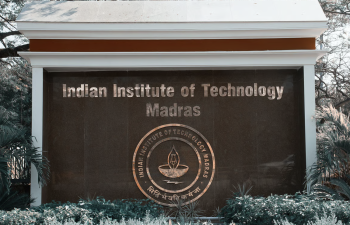
IIT Madras has launched IITM Global to position itself as the world’s first multinational IIT with campuses, research links and startup engagement abroad. The initiative aims to expand the institute’s international footprint through research collaboration, innovation partnerships and entrepreneurship with measurable societal impact. It also reflects India’s growing use of higher education institutions as instruments of global engagement.
IITM Global Framework
IITM Global is designed as a global outreach platform anchored in the institute’s faculty strength, infrastructure and industry connections. It seeks to create a plug-and-play model for international collaboration. The framework is intended to help researchers, startups and industry partners access overseas markets, capital and technology networks.
Four Core Objectives
The initiative follows a four-pronged strategy:
- Take IIT Madras technologies abroad and explore technology transfer opportunities.
- Develop joint projects with foreign institutions to solve global challenges.
- Promote IIT Madras startups in overseas business ecosystems.
- Attract foreign investment into Indian startups linked to the institute.
Global Partnerships and MoUs
As part of the rollout, IIT Madras has signed multiple memoranda of understanding with institutions and partners across major regions. These include agreements in the United States, the United Kingdom, Germany, Dubai and the Asia-Pacific region, including Singapore and Malaysia. Additional partnerships have been signed under the India-for-Global initiative. The focus areas include joint research, industry collaboration, startup support and knowledge exchange.
Strategic Significance
The initiative is expected to strengthen India’s deep-tech ecosystem by linking academic research with global innovation networks. It also supports the internationalisation of Indian higher education and the commercialisation of research. The planned presence in five locations, including the US, Dubai, Malaysia and Germany, marks the first phase of expansion. The model may later extend to more countries based on outcomes.
Last Modified: April 25, 2026