
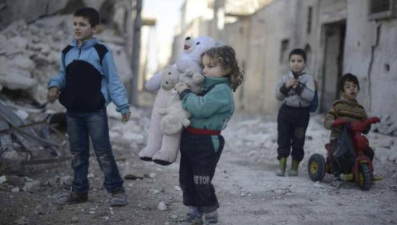
World Day of War Orphans is observed on 6 January every year to show the plight of children who lose their parents in wars and armed conflicts. The day draws attention to the physical, emotional and social hardships faced by orphaned children, and the need for protection, care and rehabilitation. It also underlines the long-term impact of war on childhood, family security and social stability.
Origin and Purpose
World Day of War Orphans was launched by the French organisation SOS Enfants en Détresse. It was created to focus international attention on children who are left without parental care because of war. The observance stresses that war affects children beyond immediate violence, leaving them vulnerable to trauma, displacement and poverty.
Global Scale of Orphanhood
UNICEF estimates that around 140 million children worldwide are orphans. Of these, nearly 52 million live in Africa, about 10 million in Latin America and the Caribbean, around 7.3 million in Central Asia, and close to 61 million in Asia. These figures show the large global burden of orphanhood and the need for stronger child welfare systems.
Historical Context of War Orphans
The Second World War left millions of children orphaned across Europe. Poland and Yugoslavia alone reported about 300,000 and 200,000 orphans, respectively. Such historical examples show how armed conflict can destroy family structures on a massive scale and create long-term humanitarian crises.
Significance for Child Protection
The observance reinforces the need for:
- Protection of children in conflict zones.
- Rehabilitation and psychosocial support for war-affected children.
- Education, shelter and healthcare for orphaned children.
- Stronger social support systems to help children rebuild their lives with dignity and security.