
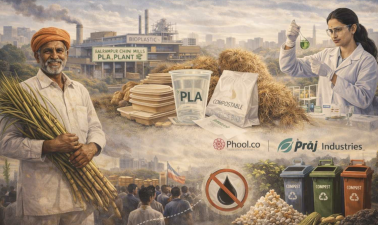
Biomaterials are emerging as a key frontier in materials engineering as countries seek cleaner ways to manufacture plastics, textiles and other consumer products. These materials are derived wholly or partly from biological sources, or are engineered through biological processes, and are designed to replace or interact with conventional materials. In India, they are gaining importance for sustainability, industrial growth, farmer incomes and export competitiveness.
What Biomaterials Are
Biomaterials are used in packaging, textiles, construction and healthcare. They are broadly grouped into three categories:
- Drop-in biomaterials are chemically identical to petroleum-based materials and can work in existing systems, such as bio-PET.
- Drop-out biomaterials are chemically different and need new processing or disposal systems, such as polylactic acid (PLA).
- Novel biomaterials offer new functions, such as self-healing materials, bioactive implants and advanced composites.
Why Biomaterials Matter for India
India can use biomaterials to reduce dependence on fossil-based imports for plastics, chemicals and materials. The sector can also create value from agricultural feedstocks and residues, offering farmers additional income streams. As global markets move towards low-carbon and circular products, biomaterials can help Indian industry stay competitive. They also support domestic goals on waste reduction, single-use plastic control and climate action.
India’s Current Position
India’s biomaterials sector, including bioplastics, biopolymers and bio-derived materials, is still at an early but promising stage. The bioplastics market is already sizeable and is expected to grow strongly. Major investments, including a planned PLA plant in Uttar Pradesh, signal industrial interest. Domestic innovation is also visible in startups and industrial firms working on flower-waste-based materials and demonstration-level bioplastics plants. However, India still depends on foreign technology in some parts of the value chain.
Challenges and Policy Priorities
Several issues need attention before large-scale expansion:
- Feedstock supply must grow without competing with food crops.
- Water stress and soil degradation must be avoided.
- Waste-management and composting systems need strengthening.
- Policy coordination across agriculture, environment and industry remains fragmented.
- Standards, labelling and end-of-life rules must be clear.
Policy support should focus on biomanufacturing capacity, R&D, pilot plants, shared facilities and procurement incentives to build a strong domestic biomaterials ecosystem.
Last Modified: April 25, 2026