
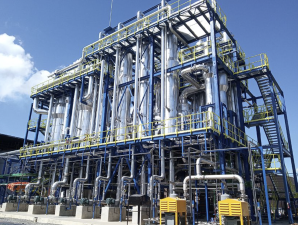
India has become the first country in the world to commercially produce bio-bitumen for road construction. The development marks step in sustainable infrastructure, as bio-bitumen can reduce dependence on fossil-based materials and support cleaner highway building practices. The announcement was brought into light during a technology transfer event in New Delhi, where the achievement was described as a major milestone for India’s road sector and green innovation ecosystem.
What is Bio-Bitumen?
Bitumen is a black, viscous hydrocarbon material obtained from crude oil and used as a key binder in road construction. Bio-bitumen is a renewable alternative produced from biomass or agricultural waste. It is designed to perform the same binding function while lowering environmental impact. Its commercial production is important because road expansion in India requires large quantities of bitumen.
Environmental and Economic Significance
- Bio-bitumen can help reduce pollution caused by crop residue burning by using agricultural waste as a raw material.
- It supports the Waste to Wealth mission by converting waste into useful industrial input.
- It may reduce import dependence on petroleum-based bitumen.
- It aligns with cleaner construction practices and lower carbon emissions.
Link with National Development Goals
The initiative has been positioned as part of India’s broader development vision, including Viksit Bharat 2047. It also supports Atma Nirbhar Bharat by encouraging domestic innovation and technology-led self-reliance. The milestone reflects the growing role of scientific institutions in translating research into practical infrastructure solutions.
Why It Matters for India’s Highways
Bio-bitumen can contribute to the development of cleaner and more sustainable highways. It strengthens the link between road construction, waste management, and green technology. The achievement may also encourage wider adoption of circular economy models in infrastructure projects.
Last Modified: April 25, 2026