
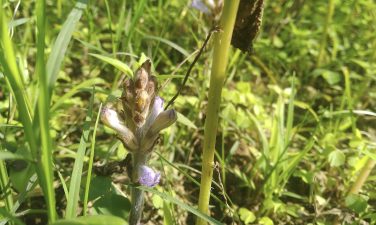
Mustard, India’s largest indigenous edible oil crop, is facing a growing challenge from Orobanche aegyptiaca, a parasitic weed that attacks roots and reduces yields. The infestation is spreading across major mustard-growing states, especially Haryana and Rajasthan, and is forcing some farmers to shift land away from mustard to wheat, chickpea and barley.
What is Orobanche?
Orobanche aegyptiaca, locally known as margoja, is a root parasite. It attaches itself to mustard roots and draws nutrients, carbon and water from the host plant. This leads to wilting, yellowing and stunted growth. By the time the weed becomes visible above the soil, much of the damage has already occurred underground.
Spread and severity
- The weed is becoming more common in repeatedly cultivated mustard fields.
- Its seeds are extremely small and can remain viable in soil for up to 20 years.
- One shoot can produce thousands of seeds, allowing rapid spread through wind and water.
- Early irrigation after sowing also helps seed germination and root attachment.
Impact on mustard production
Mustard accounts for over 4 million tonnes of India’s annual indigenous edible oil output of around 10.5-10.6 million tonnes. The crop is important for reducing India’s edible oil import dependence, which remains very high. Farmers in affected areas have reported lower yields and reduced confidence in mustard cultivation. The problem is compounded by other pests and diseases such as aphids, white rust, leaf blight, stem rot and powdery mildew.
Control measures and breeding response
Conventional herbicides such as glyphosate are not effective on normal mustard plants because they would also damage the crop. New herbicide-tolerant mustard hybrids and GM mustard lines are being developed to allow selective control of Orobanche. These approaches aim to improve weed management and protect mustard yields. The issue has also raised wider questions on the role of genetic breeding in oilseed security and farm economics.
Last Modified: April 25, 2026