
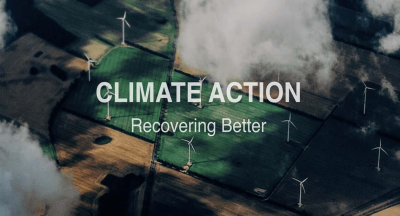
India has framed climate action as a development opportunity rather than a constraint, with Vice-President C. P. Radhakrishnan stressing that clean growth can support inclusive development, energy security and long-term economic resilience. He delivered the inaugural address at the Bharat Climate Forum 2026 in New Delhi and underlined India’s evolving role in global climate policy.
Climate and Development Link
Vice-President Radhakrishnan said climate action should be integrated with growth planning. He argued that a future-ready economy must balance present needs with responsibility towards future generations. He also noted that India’s climate approach is rooted in civilisational values that emphasise harmony with nature, including water conservation, sustainable agriculture and biodiversity protection.
India’s Climate Commitments
He referred to India’s Panchamrit commitments announced at COP26, which include a pathway towards net-zero emissions by 2070. These commitments, he said, reflect India’s effort to pursue development while reducing carbon intensity. He added that India has redefined how a developing country can approach climate responsibility without compromising growth priorities.
Clean Technology and Manufacturing
The Vice-President brought into light the need for domestic capability in clean technologies. He said a developed India cannot rely only on imported technologies or fragile supply chains. He pointed to growing Indian investment in:
- Solar modules and battery manufacturing
- Electric vehicle components and electrolyzers
- Green fuels and renewable energy systems
- Climate data, energy efficiency and waste management start-ups
He said this is turning Make in India into Make in India for the world.
Global Cooperation and Institutions
On international cooperation, he said climate change requires collective action and partnerships based on collaboration without dependence. He cited India’s role in the International Solar Alliance and the Coalition for Disaster Resilient Infrastructure as examples of leadership that supports affordable solar access and climate-resilient infrastructure, especially for the Global South.
Last Modified: April 25, 2026