
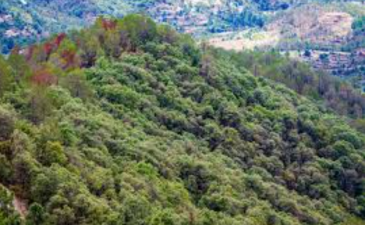
Oak trees in Mussoorie have become the centre of an environmental dispute after the Uttarakhand High Court stayed their felling for a municipal construction project. The case has drawn attention to the ecological role of oak forests in the Indian Himalaya, especially in water conservation, biodiversity support, and local livelihoods. Oak species are among the most important native trees in the western Himalayan region.
Why Oak Trees Matter
Oak belongs to the genus Quercus in the Fagaceae family. In Uttarakhand, key species include Banj oak, Moru oak, Kharsu oak, Rianj oak and Phaliath oak. These forests help conserve soil and water, support native flora and fauna, and act as a lifeline for hill communities. Oak forests also aid watershed protection by improving spring recharge.
Biodiversity Value of Oak Forests
Oak forests create layered habitats for many species. They support lichens, bryophytes, pteridophytes, orchids and other flowering plants. They also provide food and shelter to birds and mammals such as jays, Himalayan langurs, red giant flying squirrels and Asiatic black bears. Insect diversity is also high, with butterfly species recorded in Banj oak forests. Such forests are therefore important biodiversity hubs in the Himalayan landscape.
Threats to Oak Forests
Oak forests face pressure from developmental activity, grazing, lopping, surface burning, litter removal and fuelwood collection. Local dependence on oak for fuel and fodder adds to stress on regeneration. Reduced canopy cover affects seed production and understory growth. Forest degradation is further worsened by invasive species such as Lantana camara and Eupatorium adenophorum, as well as replacement by chir pine, which increases fire risk.
Ecological and Policy Significance
The Mussoorie case marks the conflict between urban construction and ecological protection in hill towns. Oak forests are not only tree cover but critical natural infrastructure for slope stability, water security, biodiversity and climate resilience. Their loss can have long-term effects on Himalayan ecosystems and local communities.
Last Modified: April 28, 2026