
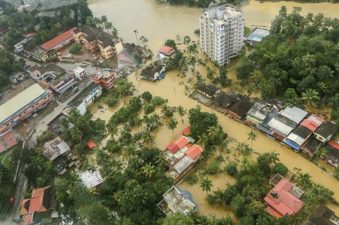
Kerala has urged the Union government to consider introducing catastrophe bonds, or CAT bonds, as a financial shield against losses caused by natural disasters. The proposal was placed as part of the State’s wish list for the Union Budget 2026-27 during the pre-Budget consultation in New Delhi. The idea reflects Kerala’s repeated exposure to floods, landslides and other climate-linked disasters in recent years.
What Are Catastrophe Bonds?
Catastrophe bonds are insurance-linked securities. They transfer disaster-related financial risk from the issuer to investors in the capital market. If a specified natural disaster occurs, the bond may be used to cover losses. This reduces the immediate burden on governments and helps them access funds faster after a calamity.
Why Kerala Wants Them
Kerala has argued that States face difficulty in raising large sums at short notice for disaster relief. According to the State, amounts above ₹2,000 crore are hard to mobilise quickly in an emergency. CAT bonds could provide an additional source of funding without forcing governments to divert money from other public programmes.
Global Use and Policy Context
Countries such as Mexico and the Philippines have already used catastrophe bonds to manage disaster risk. These instruments are part of a wider framework of risk transfer that also includes insurance and reinsurance. In India, the concept has gained attention as States seek more resilient financial tools for climate and disaster management.
Kerala’s Earlier Policy Reference
Kerala’s ‘Guideline for Risk Informed Master Plan’, approved in June 2022, had already mentioned catastrophe bonds as a possible risk-transfer mechanism. The document noted that capital market instruments can complement insurance and reinsurance in covering disaster losses. The latest proposal places this idea within the broader debate on fiscal resilience and disaster preparedness.
Last Modified: April 26, 2026