
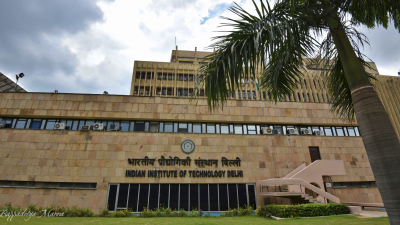
India has established a new institutional platform to strengthen regulation in the electricity sector. The Centre of Excellence for Regulatory Affairs in the Power Sector was inaugurated at IIT Delhi and has been jointly set up by IIT Delhi, the Central Electricity Regulatory Commission (CERC) and Grid Controller of India Ltd. (Grid India). The initiative is designed to support evidence-based regulation at a time when India’s power system is undergoing rapid change due to rising demand, renewable energy integration, digitalisation and market expansion.
Purpose of the Centre
The Centre will function as a national-level hub for regulatory research, capacity building, advisory support and knowledge dissemination. It aims to bring policy, regulation, system operations and academic research into one framework. The focus is on creating informed and future-oriented decision-making for the power sector.
Key Areas of Work
The Centre will study:
- Power sector regulation and market design.
- Grid operations and system planning.
- Energy transition challenges and decarbonisation pathways.
- Digitalisation and emerging technologies.
- Energy storage, demand response and green hydrogen.
It will also develop analytical tools and system-wide models to assess regulatory proposals from the perspective of consumer welfare, reliability and investment signals.
Significance for India’s Power Sector
The initiative is intended to address the power sector trilemma of affordability, sustainability and efficiency. It will support regulators and policymakers in handling issues linked to renewable energy becoming mainstream, competitive electricity markets and consumer-centric reforms. The Centre is also expected to strengthen institutional capacity and human resource development in the sector.
Institutional Collaboration and Expected Impact
IIT Delhi will contribute academic expertise, while CERC and Grid India will bring regulatory and operational experience. This collaboration is expected to improve regulatory research, deepen evidence-based policymaking and create adaptive frameworks for a future-ready electricity system.
Last Modified: April 27, 2026