
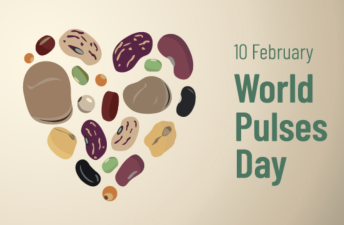
World Pulses Day is observed every year on 10 February to show the nutritional value of pulses and their role in sustainable agriculture. The day promotes greater awareness of lentils, chickpeas, beans, peas and other pulses as affordable sources of plant protein. It also underlines their importance in food security, improved diets and climate-friendly farming systems.
Significance of Pulses
Pulses are rich in protein, fibre, vitamins and minerals. They are especially important in vegetarian diets and in regions where animal protein is less accessible or more expensive. Their low cost makes them a key food for millions of people, particularly in developing countries.
Role in Sustainable Agriculture
Pulses help improve soil fertility by fixing nitrogen naturally. This reduces the need for chemical fertilisers and supports environmentally sustainable farming. They also require comparatively less water than many other crops, making them useful in areas facing water stress and climate variability.
History and UN Recognition
The observance has its roots in the International Year of Pulses in 2016, which was declared by the Food and Agriculture Organisation of the United Nations. The United Nations General Assembly later designated 10 February as World Pulses Day in 2019. Since then, the day has been used to promote pulses as a tool for nutrition, small farmer support and resilient agriculture.
Relevance for Global Development
World Pulses Day is linked to the UN 2030 Agenda for Sustainable Development. It supports goals related to ending hunger, improving nutrition, promoting sustainable production and strengthening climate action. The observance also draws attention to the role of pulses in transforming food systems and reducing environmental impact.
Last Modified: April 28, 2026