
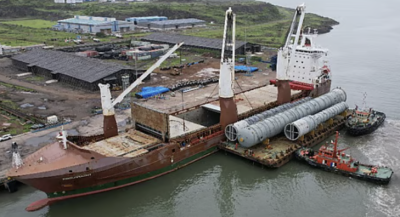
India has operationalised its first Port of Refuge, marking a major step in maritime emergency preparedness. The facility creates a formal mechanism for ships in distress to seek shelter, stabilise conditions, protect lives and reduce environmental damage. The initiative addresses a long-standing gap in India’s maritime safety infrastructure and aligns with international emergency response practices.
What Is a Port of Refuge?
A Port of Refuge is a designated location where a vessel facing danger can take temporary shelter. It is intended to support ships during emergencies such as damage, fire, pollution risk or loss of propulsion. The concept is recognised by the International Maritime Organization as part of safe and responsible maritime operations.
Institutional Framework
The new capability has been developed through a tripartite memorandum of understanding involving Adani Ports and Special Economic Zone Ltd, SMIT Salvage and the Maritime Emergency Response Centre. The arrangement links port operations with specialist salvage and emergency response expertise. It also supports vessels insured under the International Group of Protection and Indemnity Clubs, which is important for global maritime risk and liability management.
Designated Ports and Strategic Location
Two ports have been identified for the service.
- Dighi Port on the west coast will support traffic across the Arabian Sea and routes towards the Persian Gulf.
- Gopalpur Port in Odisha will serve vessels in the Bay of Bengal and routes towards the Malacca Strait.
These locations are strategically placed along major international shipping corridors.
Emergency Services and Maritime Significance
The facilities will provide salvage and wreck removal, firefighting, pollution containment and emergency coordination. Trained response teams and specialised equipment will be used to manage maritime incidents. The development strengthens India’s port safety ecosystem and improves preparedness for vessel distress situations, environmental hazards and operational disruptions.
Last Modified: April 29, 2026