
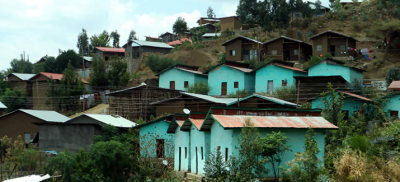
Pradhan Mantri Awaas Yojana–Gramin (PMAY-G) has emerged as a major rural housing programme in India since its launch on 1 April 2016. It aims to provide permanent houses with basic amenities to houseless households and those living in kutcha or dilapidated homes. The scheme has become central to the broader goal of Housing for All in rural areas.
Scheme Objectives and Coverage
PMAY-G provides assistance for constructing pucca houses with a minimum size of 25 sq. m., including a dedicated cooking space. The programme has been implemented in phases to reduce the rural housing deficit. It also supports vulnerable households in flood-prone, remote, and economically weak regions.
Progress and Financial Outlay
As of 26 March 2026, a target of 4.15 crore houses had been allocated under phases I and II. Of these, 3.90 crore houses were sanctioned and 2.99 crore completed. A cumulative fund transfer of ₹4,03,886.12 crore has supported implementation across states. The programme is moving towards a cumulative target of 4.95 crore houses by 2029.
Implementation Reforms and Technology Use
PMAY-G is beneficiary-led and uses several transparency measures.
- Direct Benefit Transfer sends assistance directly to bank accounts.
- Geo-tagging tracks construction with time-stamped photographs.
- Village-level functionaries support beneficiaries at local level.
- Block, district, and national inspections strengthen oversight.
- AwaasSoft MIS integrates sanction, fund release, and monitoring.
Impact on Rural Livelihoods
The scheme has improved safety, dignity, and living conditions for rural families. It is linked with sanitation, electricity, drinking water, LPG access, and employment support through convergence with other schemes. Rural Mason Training has also improved construction quality and created livelihood opportunities. Women’s ownership of houses has strengthened property rights and social empowerment.
Last Modified: April 28, 2026