
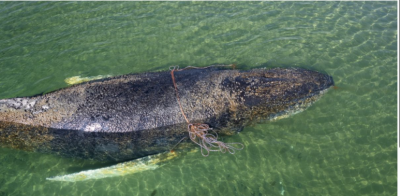
A humpback whale stranded in shallow waters near Wismar in Germany has finally swum free after days of rescue efforts and public attention. The 12–15 metre whale had earlier become trapped near Timmendorfer Strand and later near an underwater sandbank. Its release brought relief to officials, rescuers and spectators gathered along the coast.
Stranding in German Waters
The whale was far from its normal Atlantic habitat when it entered the Baltic Sea. It was first seen in shallow waters and later became stuck again in the same region. The animal’s presence drew large crowds and live tracking, turning the rescue into a widely followed marine event.
Rescue Efforts and Challenges
Rescuers used several methods to guide the whale back into deeper water. At one stage, an excavator was brought in to help move it off the sandbank. The whale was also allowed to rest when it appeared exhausted. Authorities then stepped back and let the animal move on its own.
Uncertain Route to the Atlantic
The whale was briefly seen heading towards the harbour before correcting its course towards open waters. By Tuesday morning, it was no longer visible. Experts believe it may have strayed while following herring or during migration. Its weakened skin and lack of a tracking device make further monitoring difficult.
Marine Conservation Concerns
The incident has brought into light the risks faced by large marine mammals in unusual waters. The Baltic Sea’s low salinity is not suitable for humpback whales over long periods. The animal now faces a long and uncertain journey through the Baltic and North Seas before reaching the Atlantic.
Last Modified: April 28, 2026