
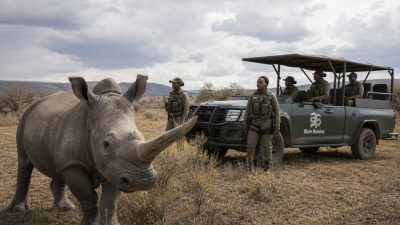
On 10 June 2026 South Africa’s Environment Minister, Willie Aucamp, signed an assessment asserting that international exports of rhino hunting trophies and other wildlife products would not threaten species survival and attributing the existing ban to increased poaching and black‑market prices. The assessment accompanies a broader policy shift seeking CITES exemptions for trade.
Policy and Timelines
- Revised BMP: South Africa published a revised Biodiversity Management Plan for black and white rhinoceroses on 16 April 2026; announced 14 June 2026.
- Domestic & international road‑map: BMP specifies domestic rhino horn trade by December 2027 and a proposal for international commercial trade by 2030.
- CITES strategy: Government intends to use exemptions and proposals at CITES to legalise certain exports, including hunting trophies.
Trade, Industry and Legal Moves
- Wildlife economy: South Africa’s hunting and wildlife industry is estimated at over US$1.5 billion annually.
- Litigation to export horns: A rhino breeder seeks court approval to export 502 rhino horns to eight jurisdictions including Canada, China and the United States.
- Previous CITES vote: Namibia’s November 2025 proposal to lift the global rhino horn ban was defeated 120–30 at CITES.
Conservation and Illicit Trade Data
- Poaching trend: South Africa recorded 352 rhino poaching incidents in 2025 versus 420 in 2024 (16% decline nationally).
- Kruger National Park: Poaching rose from 88 in 2024 to 175 in 2025.
- Supply chains: EIA analysis of 258 Chinese court cases (2013–Oct 2025) identifies Mozambique and South Africa as key source/transit countries for horn reaching Chinese markets.
IASPOINT Booster Facts
- CITES restriction since 1977: International commercial trade in rhino horn has been heavily restricted under CITES from 1977 onward.
- CITES process: Trade rules and Appendix listings are amended at Conferences of the Parties; proposals require Party votes.
- Permits: International trade in CITES‑listed specimens requires export and import permits as per CITES provisions.