
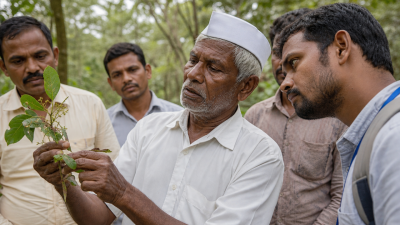
As of 24 June 2026 the Mahadev Koli tribe in Maharashtra’s Western Ghats uses Traditional Ecological Knowledge (TEK) to track climate change, noting altered phenology of medicinal trees and shrinking streams.
Key TEK Features
- TEK definition: Place-based ecological knowledge, including seasonal calendars, species classifications and ecological indicators.
- Seasonal calendars: Local months/phenophases guide harvesting and resource use timing.
- Ecological indicators: Stream flow, flowering and fruiting times signal climatic shifts.
Medicinal Biodiversity
- Species catalogue: Use of 51 native tree species from 41 genera and 25 plant families for medicinal purposes.
- Ethnobotanical precision: Elders identify habitat-specific species and peak potency periods for remedies.
Climate Observations
- Local signals: Reports of shrinking streams and shifted phenology provide long-term ground observations.
- Complementarity: TEK offers fine-scale, seasonal data that complements meteorological monitoring.
Study and Location
- Documentation: WOTR–Centre for Resilience Studies (W‑CReS) study in 2025 recorded Mahadev Koli TEK on plants, biodiversity and environmental change.
- Biogeography: Community resides in the Western Ghats, a recognised global biodiversity hotspot with multiple UNESCO World Heritage inscriptions for parts of the range.
IASPOINT Booster Facts
- CBD Article 8(j): Calls on Parties to respect, preserve and maintain Indigenous knowledge relevant to biodiversity.
- Biological Diversity Act, 2002: Provides statutory framework for conservation and sustainable use of India’s biodiversity.
- Rights framework: Forest Rights Act, 2006 recognises rights of forest-dwelling communities, relevant to access and management of TEK resources.
- Cultural advocacy: Artist Madhura Ghane (Mahi G) communicates forest and tribal issues through music, increasing public visibility of TEK.