
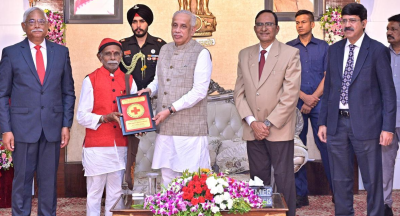
The Government of Andhra Pradesh launched the “Mee Intiki – Mee Doctor” (Your Doctor at Your Doorstep) project on May 8, 2026, to deliver primary healthcare to five to six lakh economically disadvantaged families in remote areas across seven districts. Funded with ₹8.40 crore by the Rural Electrification Corporation (REC) Limited, this three-year initiative is implemented by the Indian Red Cross Society using fully equipped mobile medical units. Complementing this, the state rolled out an expanded preventive healthcare scheme under the Sanjeevani framework on April 30, 2026, with an annual budget of ₹162.72 crore to provide free diagnostic tests. These combined programs aim to reduce out-of-pocket medical expenditures and strengthen rural health infrastructure.
The Mee Intiki – Mee Doctor Project
This project focuses on reaching underserved and geographically isolated habitations where access to Primary Health Centres (PHCs) is limited.
Operational Architecture
The project runs via a network of specialized Mobile Medical Units (MMUs) that travel to designated remote villages according to a fixed monthly calendar. Each mobile unit functions as a mini-clinic on wheels and carries a dedicated team of trained healthcare professionals:
- Medical Officer (MBBS Doctor): Conducts clinical examinations, diagnoses ailments, and prescribes treatments.
- Staff Nurse: Records vital signs, administers injections, dresses wounds, and handles maternal health checks.
- Pharmacist: Manages the inventory of essential medicines and dispenses free drugs as prescribed by the doctor.
- Support Staff (Driver-cum-Attendant): Handles vehicle logistics, sets up the camp site, and assists mobility-impaired patients.
Priority Beneficiary Segments
While the mobile units offer general outpatient consultations, the program prioritizes three specific high-risk groups:
- Pregnant and Lactating Women: Focuses on antenatal and postnatal care, monitoring for gestational hypertension, and distributing iron-folic acid supplements.
- Children Aged 0 to 6 Years: Tracks growth milestones, checks for nutritional deficiencies like severe acute malnutrition, and administers catch-up immunizations.
- Bedridden and Geriatric Patients: Provides home-based palliative care, chronic disease monitoring, and wound care for elderly individuals who cannot travel.
Expanded Diagnostics Under the Sanjeevani Framework
The Sanjeevani preventive healthcare expansion strengthens the state’s screening system to detect non-communicable diseases (NCDs) before they require hospital care.
Target Demographics and Outreach
With a budget of ₹162.72 crore, the Sanjeevani program plans to screen more than 56 lakh citizens every year. It selects beneficiaries using two specific methods:
- Community NCD Surveys: Uses health data gathered by Accredited Social Health Activists (ASHAs) and Auxiliary Nurse Midwives (ANMs) to identify adults at high risk for hypertension, diabetes, and cancers.
- Welfare Hostel Screenings: Schedules regular medical checkups for students living in government-run social welfare, tribal welfare, and backward classes hostels to detect anemia, vision issues, and skin infections early.
Diagnostic Capabilities
The upgraded Sanjeevani mobile units carry advanced point-of-care testing equipment capable of conducting 47 distinct biochemical, hematological, and urine tests on-site.
| Category | Specific Diagnostic Tests Offered |
| Hematology | Complete Blood Count (CBC), Hemoglobin estimation, Peripheral blood smear for malaria. |
| Biochemistry | Fasting and post-prandial blood glucose, HbA1c, Serum Cholesterol, Liver Function Tests (LFT), Renal Function Tests (RFT) like Serum Creatinine. |
| Infectious Diseases | Rapid diagnostic kits for HIV, Hepatitis B, Hepatitis C, Syphilis, and Dengue. |
| Urinalysis | Urine routine micro-albumin, pregnancy confirmation tests, and protein detection. |
| Basic Physiology | Digital blood pressure monitoring and Pulse Oximetry. |
Institutional and Funding Collaboration
The rollout of these healthcare programs relies on a collaborative model involving public sector enterprises, international humanitarian organizations, and state departments.
Corporate Social Responsibility (CSR) Financing
The ₹8.40 crore funding for the “Mee Intiki – Mee Doctor” project comes entirely from the CSR budget of Rural Electrification Corporation (REC) Limited, a Navratna Central Public Sector Enterprise. This partnership shows how public sector corporate funds can be used to plug gaps in rural welfare infrastructure.
Implementation Partner
The Indian Red Cross Society (IRCS) acts as the primary implementing agency for the doorstep doctor project. The IRCS manages human resources, maintains drug supply chains, coordinates with local village panchayats, and ensures the mobile vans operate regularly without administrative delays.
Public Health Advantages of Doorstep Healthcare
Shifting primary care from static hospitals to mobile doorstep delivery addresses long-standing challenges in rural health administration.
Reducing Out-of-Pocket Expenditure
Rural families often spend a large portion of their income on transport, daily wage loss, and private diagnostics due to distant formal clinics. Free home delivery of consultations, diagnostic tests, and drugs protects poor households from medical debt.
Managing Non-Communicable Diseases
Conditions like diabetes and hypertension are often called silent killers because they remain asymptomatic for years. Regular screening via the Sanjeevani vans helps identify these conditions early, allowing for lifestyle changes and daily medication that prevent severe complications like strokes, kidney failure, or heart attacks.
IASPOINT Booster Facts for UPSC
- Corporate Social Responsibility (CSR) Mandate: Under Section 135 of the Companies Act, 2013, companies with a net worth of ₹500 crore or more, or a turnover of ₹1000 crore or more, or a net profit of ₹5 crore or more must spend at least 2% of their average net profits of the three preceding financial years on CSR activities. Healthcare and sanitation are eligible activities under Schedule VII of the Act.
- Rural Electrification Corporation (REC) Limited: Established in 1969, REC is a Maharatna Central Public Sector Enterprise under the Ministry of Power. It focuses on financing and developing power infrastructure across India.
- Indian Red Cross Society (IRCS): Established in 1920 under the Indian Red Cross Society Act, the IRCS is a voluntary humanitarian organization. The President of India serves as the ex-officio President of the society.
- Alma-Ata Declaration: Signed in 1978, this international declaration identified primary healthcare as the central strategy for achieving the global goal of “Health for All.”
- National Health Policy (NHP) 2017 Target: The NHP 2017 aims to increase government health expenditure to 2.5% of the country’s Gross Domestic Product (GDP) and seeks to reduce out-of-pocket medical spending.
- Ayushman Bharat Health and Wellness Centres (AB-HWCs): The Central Government’s flagship program focuses on transforming existing sub-centres and primary health centres into Health and Wellness Centres to deliver Comprehensive Primary Health Care (CPHC), which aligns with state-level initiatives like Sanjeevani.