
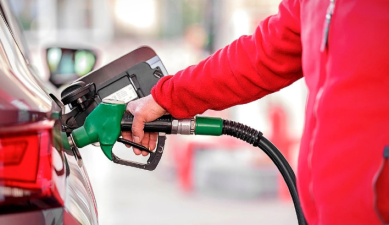
India is examining higher ethanol blending in petrol beyond the 20% ethanol blending target, with discussions involving automakers, state-run refiners, and the Ministry of Petroleum and Natural Gas. The policy framework covers higher blends such as E85 and E100, along with vehicle testing and fuel distribution requirements.
Ethanol Blending Programme
Ethanol blending in petrol is the mixing of anhydrous ethanol with petrol for use in spark-ignition engines. India achieved the E20 target ahead of schedule, and nationwide E20 rollout was mandated from 1 April 2026.
- E20 contains 20% ethanol and 80% petrol by volume.
- E85 contains up to 85% ethanol and is used in flex-fuel vehicles.
- E100 refers to fuel with 100% ethanol content and requires dedicated engine compatibility.
Policy And Regulatory Context
The Ministry of Petroleum and Natural Gas is expected to notify a regulatory framework for industry-wide testing of vehicles using higher ethanol blends within a week of 22 April 2026. The framework is linked to flex-fuel vehicle development and compatibility testing for blends above E20. Union Minister for Road Transport and Highways Nitin Gadkari stated on 22 April 2026 that India should aim for 100% ethanol blending in the near future. India imports about 85% of its crude oil requirement, and ethanol blending is part of the country’s fuel diversification policy.
Production Capacity And Targets
India’s ethanol production capacity reached 15.28 billion litres per year in 2025. The capacity exceeded the 10.16 billion litres per year required for the 20% blending target.
- An E30 target refers to 30% ethanol blending in petrol.
- E30 discussions are linked to a possible timeline between 2028 and 2030.
- Oil marketing companies require blending and storage infrastructure for higher ethanol volumes.
Vehicle Compatibility And Fuel Infrastructure
Higher ethanol blends require engine calibration, material compatibility, and fuel-system adjustments in vehicles. Flex-fuel vehicles are designed to operate on a range of ethanol-petrol mixtures, including higher blends such as E85. Fuel retail and storage systems also need upgrades for handling higher ethanol content. Some concerns remain over vehicle mileage when blended fuel is used.
Last Modified: April 27, 2026