
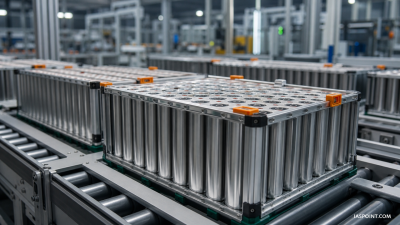
On 15 July 2026 the Ministry of Heavy Industries invited global bids for giga-scale Advanced Chemistry Cell (ACC) battery plants totalling 10 GWh, reserved for Grid-Scale Stationary Storage under the National Programme on ACC Battery Storage (a PLI scheme targeting 50 GWh). Tender timelines and stakeholder allocations remain central to implementation and industrial policy debates.
What is current and why it matters
Ten GWh now open for bids completes the 50 GWh target by allocation. The scheme is administered by the Ministry of Heavy Industries with an approved outlay of ₹18,100 crore. The allocation affects energy security, renewable integration, the domestic EV value chain, industrial employment and strategic dependence on imported cell chemistry and precursor materials.
Overview of the ACC PLI scheme
The National Programme on ACC Battery Storage aims to develop 50 GWh domestic ACC manufacturing capacity to serve electric mobility and stationary storage. The 10 GWh round released its tender documents on 15 July 2026; pre-bid meeting is scheduled for 29 July 2026 and bids close on 13 October 2026. Selection follows a Quality and Cost Based Selection mechanism.
| Dimension | Fact |
|---|---|
| Total target | 50 GWh |
| Capacity awarded prior to current round | 40 GWh |
| Current round | 10 GWh reserved for Grid-Scale Stationary Storage |
| Major awardees (allocated) | Ola Electric Mobility: 20 GWh; Reliance New Energy Battery Ltd: 15 GWh (including 10 GWh Programme Agreement); Rajesh Exports: 5 GWh |
| Administering agency | Ministry of Heavy Industries |
Strategic role in clean energy and electric mobility
Import substitution: Domestic ACC capacity reduces dependence on imported cells and refined precursors, limiting exposure to supply-chain and geopolitical risks. EV ecosystem support: Local cell manufacture lowers pack costs, supports vehicle localisation targets and complements demand-side subsidies under national EV policies. Renewable integration: Grid-scale ACCs enable storage for variable solar and wind output, helping to meet non-fossil capacity targets and reduce peaking reliance on thermal plants.
Grid-Scale Stationary Storage (GSSS): technical and system relevance
Function: Large ACC installations connected to transmission networks to store and dispatch electricity. System benefits: Time-shifting of renewable generation, frequency regulation, ancillary services, reduced curtailment and improved supply reliability. Policy rationale for reservation: Dedicated allocation incentivises manufacturers to design for high-cycle life, safety and grid-grade performance distinct from EV-focused cell formats.
Implementation status and bottlenecks
Disbursals and commissioning: As of early 2026 the incentive window recorded zero disbursals. Independent data show low commissioning relative to targets, with only a small fraction operational. Key constraints: Stringent Domestic Value Addition (DVA) targets (25% rising to 60%), lack of local advanced battery chemistry technology, shortage of specialised workforce in electrochemistry and battery systems, and delays in importing specialised manufacturing equipment. Operational impacts: Delayed plant commissioning, deferred incentive claims, and reluctance by foreign technology partners to commit under tight localisation timelines.
Policy design challenges: capital bias, MSME effects and supply-chain gaps
Capital intensity: Minimum investment norms (approx. ₹225 crore/GWh and minimum bid size of 5 GWh) favour large conglomerates and gigafactories. This raises barriers for smaller firms. MSME exclusion: Direct participation by MSMEs in cell manufacture is limited. MSMEs remain critical for pack assembly, electronics and balance-of-system components but lack targeted support under current rules. Upstream gap: The scheme focuses on cell manufacture; domestic refining of lithium, cobalt and nickel remains underdeveloped. This leaves manufacturers exposed to international refining concentration.
Institutional and market considerations
Role of public agencies: Entities such as Khanij Bidesh India Ltd can secure upstream raw material access and stabilise imports for domestic cell makers. Trade and customs: Easing duty and clearance for specialised machinery shortens commissioning lead-times. Some measures were considered in early 2026 but sustained facilitation is needed. Standards and testing: Shared public testing and certification facilities reduce entry costs and help MSMEs qualify as tier-1 or tier-2 suppliers.
Practical reform options
- Phased DVA: Replace steep early localisation steps with a phased path tied to demonstrable technology transfer and domestic precursor supply development.
- Customs and capex support: Time-bound duty relief or concessional import routes for capital equipment until local machine OEMs emerge.
- Upstream strategy: Use strategic stakes and offtake agreements to secure lithium and precursor supplies; incentivise domestic precursor refining capacity.
- MSME integration: Funding for shared testing labs, component tooling lines and vendor development programmes to widen the supplier base.
- Skills and R&D: Create focused curricula in electrochemistry and battery management systems and support centres of excellence for cell chemistry R&D.
Risks and trade-offs
High localisation targets accelerate domestic industry but may delay project commissioning and deter foreign technology partners. Relaxing localisation speeds early capacity build but prolongs import dependence on precursors. Policy calibration must balance industrial scale-up, technology access and strategic supply security.
Model Questions
1. Analyse the strategic role of the National Programme on Advanced Chemistry Cell (ACC) Battery Storage in achieving India’s clean energy and electric mobility objectives. [GS-III: Economic Development]
The ACC programme aims to create 50 GWh domestic cell capacity, reduce import dependence, lower EV battery costs and enable large-scale renewable integration. It supports grid stability via stationary storage, complements FAME and EV demand growth, and mitigates supply-chain risks. Success requires upstream precursor availability, technology transfer, timely commissioning and complementary policy measures for customs, skills and MSME vendor development.
2. Assess the governance and policy bottlenecks that have resulted in zero incentive disbursals under the ACC PLI framework. [GS-II: Governance]
Zero disbursals reflect delayed commissioning, strict DVA timelines (25% to 60%), technology unavailability, skilled labour gaps and import delays for specialised equipment. Procedural delays in approvals and conditionalities linked to localisation have impeded claims. Remedies include phased DVA, streamlined clearances, targeted customs facilitation, and clearer timelines for performance milestones to align incentives with realistic commissioning schedules.
3. Examine the significance of reserving 10 GWh of ACC capacity specifically for Grid-Scale Stationary Storage. [GS-III: Economic Development]
Reserving 10 GWh for grid-scale use directs capacity towards long-cycle, safety-focused cells suited for frequency regulation, peak-shifting and renewable firming. It reduces renewable curtailment, supports ancillary services and strengthens grid resilience. The allocation encourages manufacturers to meet grid-grade standards distinct from EV cells, aiding the national target for non-fossil capacity and reducing peak thermal dependency.
4. Evaluate how capital-intensive entry norms and strict localisation requirements in the ACC PLI scheme affect MSMEs and foreign investment. [GS-III: Economic Development]
High minimum investment and bid-size criteria channel benefits to large firms and deter MSME participation in cell manufacture. Strict and early localisation discourages foreign partners reluctant to transfer IP rapidly. The result is concentrated industrial structure, slower vendor development and potential supply fragility. Policy options include shared infrastructure for MSMEs, phased localisation and incentives for tier-2 supplier development to broaden the ecosystem.
Last Modified: July 16, 2026