
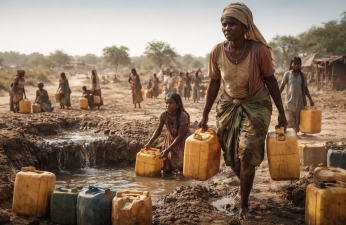
The 2026 United Nations World Water Development Report marks ongoing gender inequality in water access worldwide. Despite progress, 2.1 billion people lack safely managed drinking water. Women and girls bear the greatest burden, spending 250 million hours daily fetching water. This unpaid labour limits their education, work, and exposes them to health risks and violence.
Gender Roles in Water Collection
Women and girls, especially in rural areas, are primarily responsible for collecting water. Over 70% of unserved rural households rely on them for this task. They often travel long distances under unsafe conditions. Girls under 15 are more affected than boys, missing school or work due to poor sanitation. This role imposes physical strain and risks of gender-based violence.
Health, Safety, and Economic Impact
Fetching water causes physical injuries and health problems. Unsafe sanitation facilities reduce dignity and school attendance. Women’s unpaid work in managing household water is largely invisible in policy despite its economic importance. This labour restricts women’s opportunities to earn income or engage in education.
Women’s Participation in Water Governance
Women are underrepresented in water governance and utilities. In many low- and middle-income countries, fewer than 20% of water utility workers are women. Leadership roles see even lower female participation. This exclusion weakens water policies and limits women’s access to water resources.
Climate Change and Gender Inequality
Climate change worsens water scarcity and gender disparities. Women in disaster-prone areas face higher risks and less access to early warnings and recovery. Temperature rises reduce incomes in female-headed households more sharply than male-headed ones. Women’s workloads increase, deepening inequality.
Topics for Prelims:
Gender and Water Access
- Women and girls spend 250 million hours daily fetching water globally.
- 2.1 billion people lack safely managed drinking water.
- Over 70% of unserved rural households depend on women for water collection.
- Girls under 15 are more burdened than boys with water collection tasks.
- Water collection exposes women to health risks and gender-based violence.
Women in Water Governance
- Less than 20% of water utility workers are women in many countries.
- Female leadership in water governance is very low.
- Women’s unpaid water management work is often ignored in policy.
- Exclusion weakens water policies and limits access to resources.
- Gender equality in water governance benefits entire communities.
Climate Change and Water Inequality
- Climate change intensifies water scarcity and gender inequality.
- Women in disaster-prone areas face greater risks and less support.
- Female-headed households lose income more sharply due to climate impacts.
- Women’s workload increases with rising temperatures.
- Gender-responsive financing and policies are needed to address these issues.
Questions for Mains:
- Critically discuss the impact of gender inequality on water security and sustainable development. [GS-III-Economic Development]
- Examine the role of women in natural resource management and analyse how their participation can improve governance outcomes. [GS-II-Governance]
- Estimate the effects of climate change on vulnerable populations with special reference to women, and point out policy measures to mitigate these impacts. [GS-III-Environment & DM]
- Analyse the socio-economic consequences of unpaid labour by women in household water management and discuss strategies to enhance gender equity in public policy. [GS-IV-Ethics, Integrity and Aptitude]
Answer Hints:
1. Critically discuss the impact of gender inequality on water security and sustainable development. [GS-III-Economic Development]
- Women and girls spend 250 million hours daily fetching water, limiting education and economic opportunities.
- 2.1 billion people lack safely managed drinking water; women bear disproportionate burden in access and collection.
- Gender-based violence and health risks arise from unsafe water collection and sanitation conditions.
- Exclusion of women from water governance weakens policy effectiveness and access to resources.
- Gender inequality perpetuates poverty and undermines sustainable development goals (SDGs) related to water, health, and education.
- Addressing gender gaps enhances water security, benefits entire communities, and accelerates SDG achievement.
2. Examine the role of women in natural resource management and analyse how their participation can improve governance outcomes. [GS-II-Governance]
- Women primarily manage household water tasks, including collection, rationing, and caregiving.
- Less than 20% of water utility workers and even fewer in leadership roles are women in many countries.
- Women’s participation brings diverse perspectives, improving policy relevance and resource allocation.
- Inclusive governance leads to better water management, equitable access, and sustainable use of resources.
- Empowering women in decision-making enhances community resilience and accountability.
- Removing legal and social barriers is essential to increase women’s meaningful involvement in governance.
3. Estimate the effects of climate change on vulnerable populations with special reference to women, and point out policy measures to mitigate these impacts. [GS-III-Environment & DM]
- Climate change intensifies water scarcity and increases physical and economic burdens on women, especially in disaster-prone areas.
- Female-headed households suffer sharper income losses due to temperature rises and environmental stress.
- Women have less access to early-warning systems, recovery support, and adaptive resources.
- Increased workload for women exacerbates gender inequalities and health risks.
- Policy measures – gender-responsive financing, improved data collection, legal reforms for women’s land/water rights.
- Strengthening women’s leadership and integrating gender in climate adaptation plans are crucial for resilience.
4. Analyse the socio-economic consequences of unpaid labour by women in household water management and discuss strategies to enhance gender equity in public policy. [GS-IV-Ethics, Integrity and Aptitude]
- Unpaid water-related labour limits women’s time for education, paid work, and rest, reinforcing economic dependency.
- Physical strain and exposure to violence from water collection impact women’s health and dignity.
- Women’s unpaid work is largely invisible in policy and economic statistics, undervaluing their contribution.
- Recognizing and reducing unpaid labour through improved water infrastructure and sanitation can empower women.
- Strategies – gender-responsive budgeting, legal reforms, inclusive governance, and awareness campaigns.
- Promoting women’s participation in decision-making ensures policies address their needs and rights effectively.