
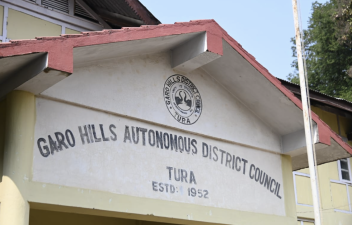
The Meghalaya government has extended the term of the Garo Hills Autonomous District Council (GHADC) by six months. The decision comes amid unrest in the Garo Hills over the participation of non-tribals in tribal council elections. The extension is intended to give the council time to examine possible changes to its election rules and address the dispute.
Extension of GHADC Term
The State Cabinet decided to prolong the current term of the GHADC for six months. The move was taken in Shillong after recent protests and continuing tensions in the region. The extension prevents an immediate administrative vacuum in the autonomous council.
Issue Over Non-Tribal Participation
The main controversy concerns whether non-tribals should be allowed to take part in GHADC elections. The matter has triggered unrest in parts of the Garo Hills. The council is expected to discuss whether the existing rules need amendment to restrict such participation.
Role of Autonomous District Councils
Autonomous District Councils function under the Sixth Schedule of the Constitution. They have powers over selected local matters such as land, customary law, and social practices in tribal areas. In Meghalaya, these councils are important institutions for protecting tribal identity and local self-governance.
Significance for Meghalaya Politics
The extension reflects the sensitivity of electoral and identity issues in tribal areas. It also marks the challenge of balancing constitutional autonomy, local customs, and democratic participation. The coming months are likely to see further debate on the legal and political framework governing GHADC elections.
Last Modified: April 29, 2026