
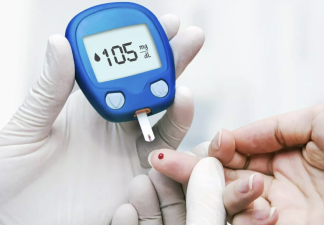
India’s reliance on glycated haemoglobin (HbA1c) for detecting and monitoring type-2 diabetes may not always give an accurate picture of blood glucose levels. A new review in The Lancet Regional Health warns that HbA1c can be distorted by common conditions such as anaemia, haemoglobinopathies and G6PD deficiency, especially in South Asia. This may lead to delayed diagnosis, misdiagnosis and weaker diabetes surveillance.
Why HbA1c Can Be Misleading
HbA1c reflects the glycation of haemoglobin over time, but it depends on the quantity, structure and lifespan of red blood cells. When these are altered, the test may not match actual blood sugar levels. Conditions such as iron deficiency anaemia, sickle cell traits, thalassaemia and other red cell disorders can therefore produce inaccurate results.
Impact on Diabetes Diagnosis
The study says exclusive dependence on HbA1c can misclassify diabetes status. Some patients may be diagnosed later than they should be, while others may be wrongly labelled as diabetic. This can affect timely treatment and long-term management. In some cases, undetected G6PD deficiency may delay diagnosis by several years, increasing the risk of complications.
Regional and Laboratory Concerns
The problem may be more serious in regions where anaemia and nutritional deficiency are widespread. The review notes that in parts of India, a large share of the population remains nutritionally challenged, which can further distort HbA1c readings. It also marks that uneven laboratory quality control can reduce test reliability and affect public health estimates of diabetes burden.
Suggested Testing Framework
The authors recommend a resource-based approach for India:
- In low-resource settings, use the oral glucose tolerance test for diagnosis.
- For self-monitoring, use blood glucose metres two to three times a week with basic haematological screening.
- In tertiary care settings, combine HbA1c with oral glucose tolerance testing.
- For monitoring, use continuous glucose monitoring with alternative markers such as fructosamine.