
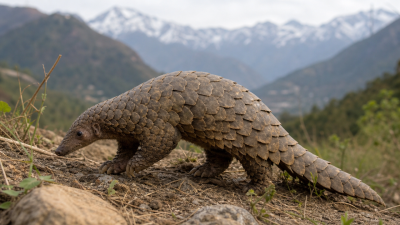
On 1 July 2026 a paper in Communications Biology revalidated the Himalayan pangolin as a distinct species, Manis aurita, separate from the Chinese pangolin (Manis pentadactyla).
Taxonomy and Evidence
- Species revalidation: Manis aurita confirmed distinct from M. pentadactyla based on integrated genomic and morphological data.
- Type specimen sequencing: Genome from an 1836 lectotype (Natural History Museum, London) was used in analysis.
- Divergence time: Lineages split ~1.8 million years ago (early Pleistocene) via allopatric separation.
- Diagnostic morphology: Mean length 95.2 cm (M. aurita) vs 71.2 cm (M. pentadactyla); shorter, broader nasal bone and smaller pinnae in M. aurita.
Range and Biogeography
- Geographic range: Southern Himalayan foothills — Nepal, South Tibet, and Northeast India (Assam).
- Biogeographic barriers: Brahmaputra drainage and Arakan Mountains promoted east–west refugia separation.
- Population genetics: Kathmandu Valley populations show exceptionally high inbreeding levels.
Threats and Legal Status
- Illegal trade: Evidence of M. aurita products entering regulated traditional medicine markets via laundering.
- CITES recommendation: Researchers propose CITES Appendix I listing to ban international commercial trade.
- Forensic utility: Species-level genetic markers from the study enable identification of confiscated material.
IASPOINT Booster Facts
- CITES Appendix I: Prohibits international commercial trade; permits only non-commercial exceptions such as scientific exchange.
- IUCN assessment: Taxonomic split requires separate Red List evaluations with possible uplisting for M. aurita.
- Legal implication (India): Species recognition can affect Schedule placement under the Wildlife Protection Act and enforcement priorities.
- Museum genomics: Historical specimens are a validated source for resolving cryptic taxonomy.