
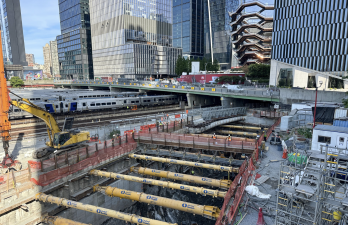
New York and New Jersey have sued the Trump administration over the freezing of $16 billion in federal funding for a new rail tunnel under the Hudson River. The case seeks an urgent court order to restore payments so construction can continue without interruption. The project is a major transport link for Amtrak and regional commuter services between New Jersey and New York City.
What the Project Involves
The tunnel project is part of a broader effort to strengthen one of the busiest rail corridors in the United States. It includes:
- Construction of a new rail tunnel under the Hudson River.
- Repair of the existing 116-year-old tunnel.
- Improved rail capacity for inter-city and commuter trains.
Reason for the Lawsuit
The federal funding was placed on hold in September. The administration linked the pause to a government shutdown and raised concerns about alleged unconstitutional diversity, equity and inclusion practices. The states argue that the suspension is unlawful and that the money must be released immediately. They have asked the court to prevent a shutdown of ongoing construction.
Why the Tunnel Matters
The Hudson River crossing is a critical transport asset for the New York metropolitan region. The existing tunnel was damaged by Superstorm Sandy in 2012 and is already under heavy strain. A prolonged halt in work could affect commuters, workers, freight movement, and the regional economy. The project is also seen as essential for long-term rail resilience in the corridor.
Funding and Legal Context
The tunnel is financed through the 2021 federal infrastructure law signed by President Joe Biden. A separate lawsuit over the same funding was also filed by the Gateway Development Commission, which oversees the project. The dispute now centres on whether the federal government can suspend infrastructure funds already allocated by law.
Last Modified: April 27, 2026