
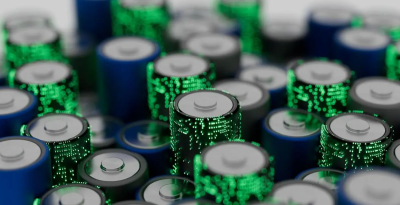
India’s electric vehicle battery demand is projected to rise from 20 gigawatt-hours (GWh) in 2025 to a range between 200 and 256 GWh by 2032, representing a tenfold increase over the period. According to the “India EV and EV Component Market Outlook 2025-2034” report published in May 2026 by the India Energy Storage Alliance in partnership with Customized Energy Solutions, this expansion signals a shift from policy-driven adoption to a mature industrial ecosystem. The growth tracks domestic electric vehicle sales, which crossed 2.5 million units in 2025. This expanding demand is shifting strategic focus away from vehicle assembly alone and toward component localization, advanced chemistry cell development, and raw material processing infrastructure within the country.
Segment-Wise Electric Vehicle Sales and Drivers
The current volume of the Indian electric vehicle market relies on different growth phases across separate vehicle segments.
Two-Wheeler and Three-Wheeler Dominance
In 2025, the entry-level mobility segments accounted for the highest volumes of domestic electric registrations. Out of 2.5 million units sold, electric two-wheelers made up 1.5 million units, while electric three-wheelers comprised nearly 0.7 million units. Low operational expenses and localized battery pack assembly operations supported these high volumes.
Four-Wheeler and Commercial Vehicle Transition
Market projections indicate that the next expansion phase will shift toward passenger electric cars and light commercial vehicle fleets. The introduction of local manufacturing setups by primary original equipment manufacturers (OEMs) and expanded corporate logistics operations are driving higher power capacity requirements per vehicle, increasing the total demand for bulk battery cells.
Evolution of Cell Chemistries and Evolving Technologies
The Indian market is experiencing a technology transition as manufacturers balance safety, energy density, cost efficiency, and thermal management under tropical weather conditions.
Current Chemistry Mix
- Nickel Manganese Cobalt (NMC): This chemistry holds a 70 percent market share in the electric two-wheeler segment due to its high energy density, allowing longer range within constrained spatial dimensions.
- Lithium Iron Phosphate (LFP): This formulation is gaining ground in electric passenger cars, buses, and three-wheelers, offering superior thermal stability, safety, and cycle life.
Next-Generation Technologies
- Lithium Manganese Iron Phosphate (LMFP): This hybrid chemistry offers higher voltage output than traditional LFP while maintaining a lower cost structure than NMC.
- Sodium-Ion Batteries: This option utilizes abundant sodium inputs, bypassing the geopolitical supply constraints of lithium and cobalt, making it ideal for short-range commuter vehicles and stationary storage.
- Solid-State Batteries: This technology replaces liquid electrolytes with solid alternatives, minimizing fire risks and accelerating energy densities. The Indian solid-state battery market is projected to grow from 1.4 billion US dollars in 2025 to 18.7 billion US dollars by 2032, maintaining a compound annual growth rate (CAGR) of 44.6 percent.
Motor Technology and Component Localization
Alongside electrochemical cells, motor configurations are consolidating around specialized designs to improve overall vehicle energy efficiency.
| Motor Category | Two-Wheeler Segment Share | Passenger Vehicle Segment Share | Core Feature / Application |
| Brushless Direct Current (BLDC) Motors | 71 percent | Less than 10 percent | Cost-effective, reliable for low-speed light vehicles. |
| Permanent Magnet Synchronous Motors (PMSM) | Minor share | Over 90 percent | Preferred for high efficiency, high torque, and passenger vehicle dynamics. |
Component Localization and Supply Chain Focus
The India Energy Storage Alliance emphasizes that long-term sector stability requires the localization of core components rather than assembling imported sub-assemblies. This requires building domestic processing capacity for raw materials like battery-grade graphite, acetylene black, and synthetic silicon anodes. Establishing local chemical synthesis plants helps stabilize input costs for manufacturing facilities and reduces exposure to international maritime transit disruptions.
IASPOINT Booster Facts for UPSC
- Production Linked Incentive (PLI) for ACC: The Ministry of Heavy Industries implements a Rs 18,100 crore PLI scheme for Advanced Chemistry Cell (ACC) battery storage to set up 50 GWh of domestic manufacturing capacity.
- PM e-DRIVE Scheme: Replacing the older FAME framework, the PM Electric Drive Revolution in Innovative Vehicle Enhancement scheme subsidizes charging infrastructure, electric two-wheelers, three-wheelers, and e-buses.
- Draft Battery Pack Aadhaar Guidelines: A regulatory framework introduced to assign a unique digital identification to individual battery packs, tracking their lifecycle, performance, safety standards, and recycling readiness.
- Gigafactory Projects: Multiple Indian industrial groups have initiated construction of integrated battery cell gigafactories in states like Gujarat, Tamil Nadu, and Karnataka to produce domestic LFP and NMC cells.
- Battery Recycling Policy: The Battery Waste Management Rules mandate Extended Producer Responsibility (EPR), requiring battery manufacturers to collect and recycle a specific percentage of waste batteries to recover lithium, nickel, and cobalt.