
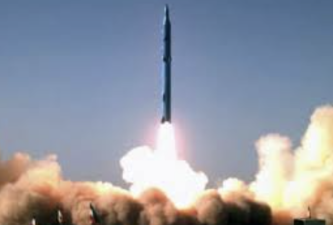
Iran has reportedly used the Sejjil, one of its most advanced ballistic missiles, in the ongoing conflict with Israel and the United States. The missile was said to be part of a fresh wave of strikes targeting Israeli locations and US-linked positions in the region. Its reported use marks the first deployment of the system since the conflict began and has drawn attention to Iran’s expanding missile capability.
Sejjil Missile Profile
The Sejjil, also known as Sajjil, Ashoura, or Ashura, is an indigenously developed Iranian ballistic missile. It is a two-stage, solid-fuel, medium-range ballistic missile. Its estimated range is about 2,000 kilometres, with a payload capacity of around 700 kilograms. The missile is designed for rapid launch and greater battlefield flexibility.
Strategic Features
The missile is often described as the dancing missile because of its high-altitude manoeuvring ability. This feature may help it alter its trajectory and complicate interception by missile defence systems. Its solid-propellant system allows quicker firing than liquid-fuel missiles, which is a major advantage in wartime conditions.
Development And Testing
The Sejjil was first tested in 2008, when it reportedly flew about 800 kilometres. A second test followed in 2009, and several more flight tests have been reported since then. The missile is about 18 metres long, 1.25 metres wide, and weighs roughly 23,600 kilograms. It remains a key part of Iran’s long-range strike capability.
Conflict Context
The reported deployment comes as the war enters its 16th day. The conflict has widened across the Middle East, with strikes exchanged between Iran, Israel, and the United States. The use of advanced missiles such as Sejjil marks the growing role of precision strike systems and missile defence challenges in modern warfare.
Last Modified: April 29, 2026