
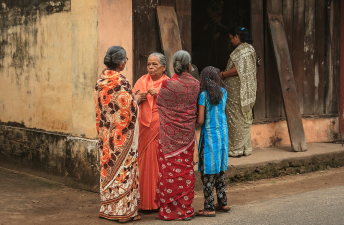
Kerala has become India’s first state to establish an exclusive Department for Senior Citizens Welfare (constituted 20 May 2026) and a quasi-judicial Senior Citizens Commission. With nearly 20% of its population aged 60+, the state aims to shift from fragmented welfare to a holistic, rights-based governance model to address the challenges of an ageing society.
The Senior Citizens Commission: Core Functions
- Legal Oversight: Monitors implementation of the Maintenance and Welfare of Parents and Senior Citizens Act, 2007.
- Grievance Redressal: Conducts Adalats to address complaints regarding neglect, exploitation, or denial of rights.
- Policy Advisory: Recommends age-friendly infrastructure (e.g., accessible public transport/buildings) and suggests systemic remedial measures.
- Support Services: Identifies and assists vulnerable, indigent, or mentally challenged elderly individuals lacking family support.
Strategic Focus Areas
- Care Economy: Expanding the workforce of geriatricians, specialized nurses, and physiotherapists to address the shortage of skilled care.
- Skill Utilization: Launching a “skill bank” for retired professionals to participate in mentoring and local governance.
- Domiciliary Care: Prioritizing home-based care systems over institutional settings to ensure social integration.
Existing Welfare Initiatives
- Vayomithram: Mobile healthcare, free medicines, and counseling for urban seniors.
- Vayoraksha: Emergency medical and caregiver support for BPL families.
- Samayaprabha: Day-care centers to mitigate social isolation.
IASPOINT Booster Facts
- Demographic Threshold: A state is “ageing” if the population aged 60+ exceeds 15%.
- Projections: RBI (2026) projects Kerala’s elderly share to reach 22.8% by 2036.
- Key Trend: Feminisation of ageing, with higher vulnerability among women in the 80+ group.