
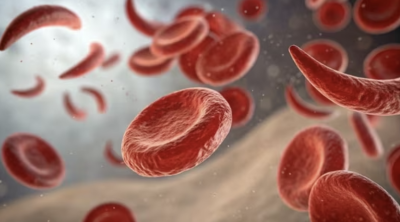
The Maharashtra Government has launched a special screening drive in 21 districts with a high prevalence of sickle cell disease. The campaign, named ‘Arunoday’, will run till 27 February. It aims to ensure that no eligible person is left out of screening. The drive focuses on early detection, timely treatment and wider awareness, especially in tribal-dominated areas where the burden is higher.
Arunoday Campaign
The special drive is being conducted across selected districts with sickle cell burden. Its main objective is universal screening within the targeted population. The campaign seeks to identify both patients and carriers at an early stage. Early diagnosis is important for better disease management and prevention of complications.
Screening Coverage So Far
Nearly 1.6 crore people were screened between 2019 and October 2025. Most of those screened belonged to tribal-dominated districts. The large-scale exercise reflects the State’s focus on genetic blood disorders in vulnerable communities. Such screening helps in mapping disease prevalence and planning health interventions.
Key Findings
- 12,420 people were identified as sickle cell patients.
- 1,24,275 people were found to be sickle cell carriers.
- Carriers do not always show symptoms but can pass the gene to children.
- Detection of carriers is important for counselling and future family planning.
Public Health Significance
Sickle cell disease is a hereditary blood disorder that affects haemoglobin. It is more common in certain tribal and geographically concentrated populations in India. Large-scale screening supports early treatment, genetic counselling and disease control. It also strengthens public health planning for non-communicable and inherited disorders.
Last Modified: April 27, 2026