
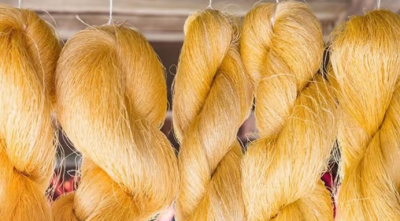
The Union Ministry for Development of North Eastern Region (MDoNER), in collaboration with the Assam government, launched Mission Senehjori on 16 June 2026. This initiative aims to transform Assam’s Muga silk sector into a globally competitive luxury textile ecosystem over a three-year period (2026–2028).
Key Mission Objectives and Targets
- Coverage: Focuses on eight districts (Jorhat, Sivasagar, Dibrugarh, Tinsukia, Lakhimpur, Dhemaji, Majuli, and Sualkuchi).
- Infrastructure: Establishes 5 modern reeling units, 1 spun silk mill, and regenerates 5,000 hectares of Som and Soalu host-plant plantations.
- Institutional Support: Formation of 30 Farmer Producer Organisations (FPOs) and 1,180 Farmer Interest Groups (FIGs) to eliminate middlemen.
- Economic Goals: Aims to raise producer income significantly and increase raw Muga silk exports to over 2,000 kg.
- Tourism: Promotes the “Muga Silk Trail” and an annual “Muga Utsav” to boost cultural economy and heritage tourism.
- Budget: Total outlay of ₹396–411 crore, with a MDoNER share of ₹136–151 crore.
IASPOINT Booster Facts
- Biological Origin: Derived from the silkworm Antheraea assamensis, which feeds on Som and Soalu trees.
- Geographical Monopoly: Assam produces ~90% of the world’s Muga silk.
- GI Status: Received India’s first silk GI tag in 2007.
- Unique Property: Possesses a natural golden sheen that intensifies with washing; absorbs UV rays.
- Ashtalakshmi Context: Part of a regional branding strategy; includes Nagaland (coffee), Tripura (pineapple), Sikkim (organic farming), Arunachal (kiwi), and Mizoram (organic ginger).